Oliver Osborne
The Sleeping Guard
17 September – 8 November 2025, Fondazione ICA Milano
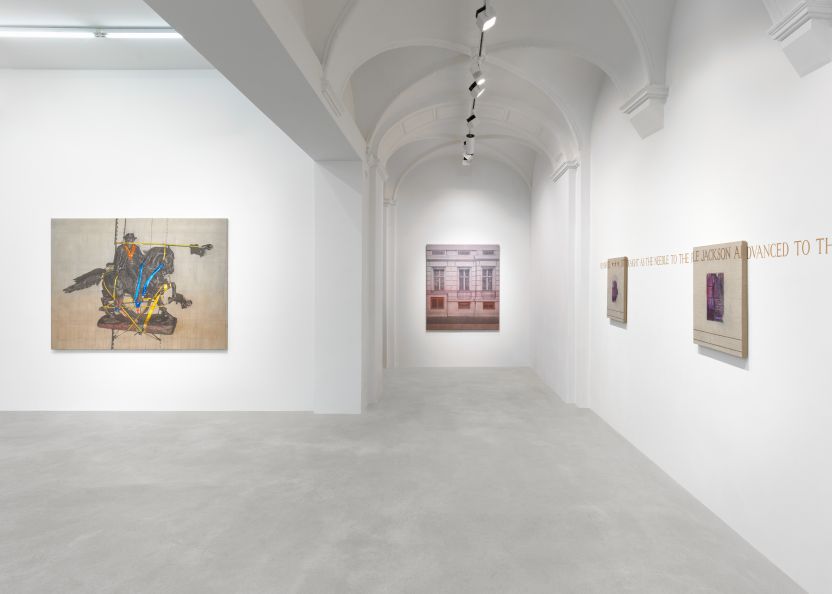
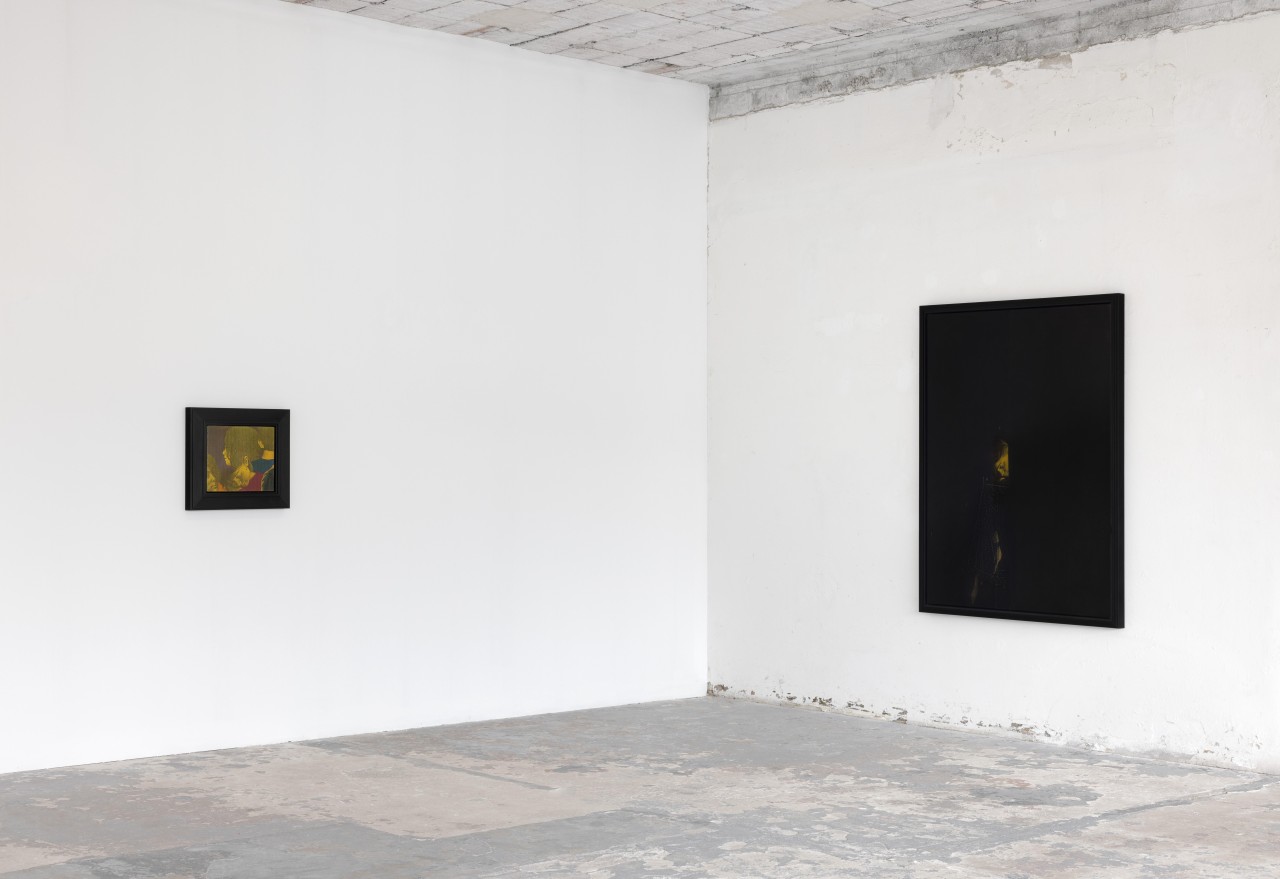
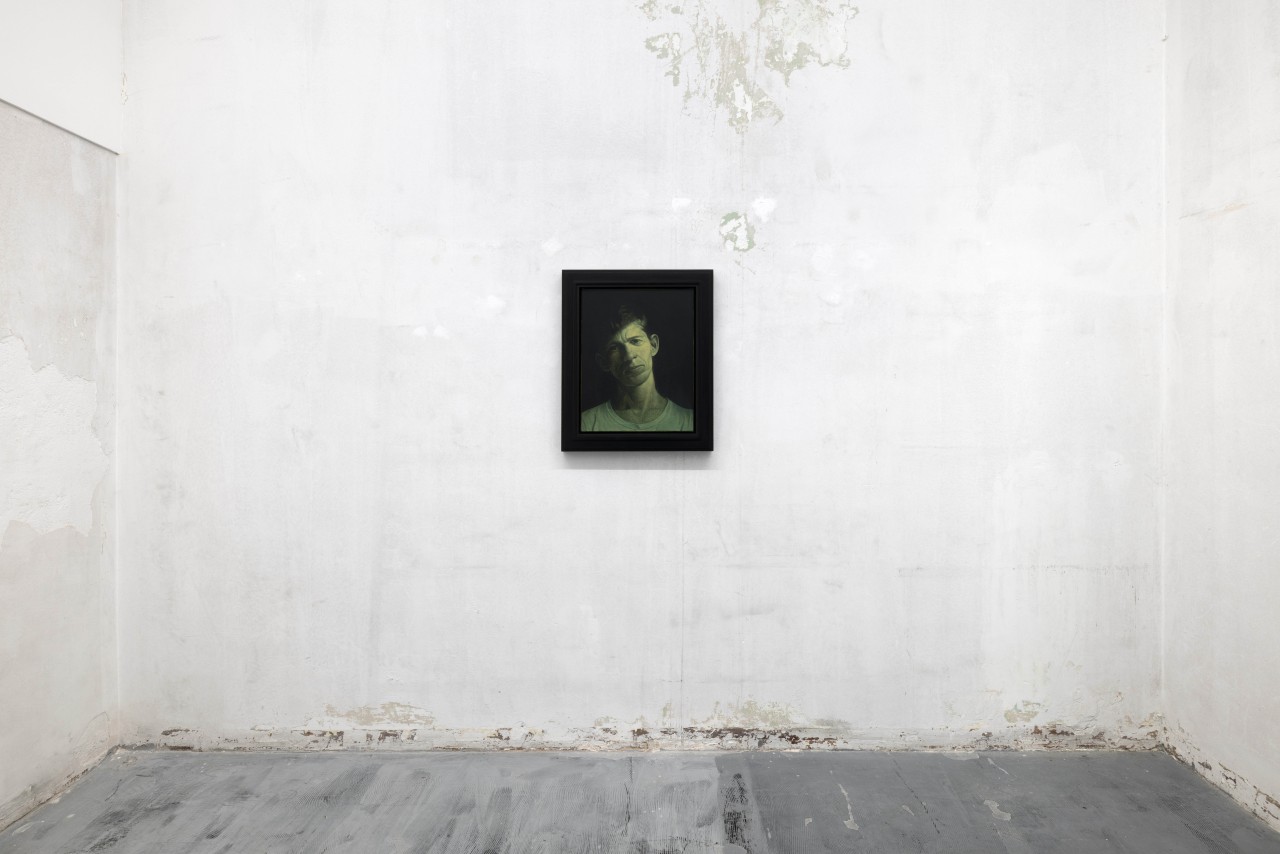
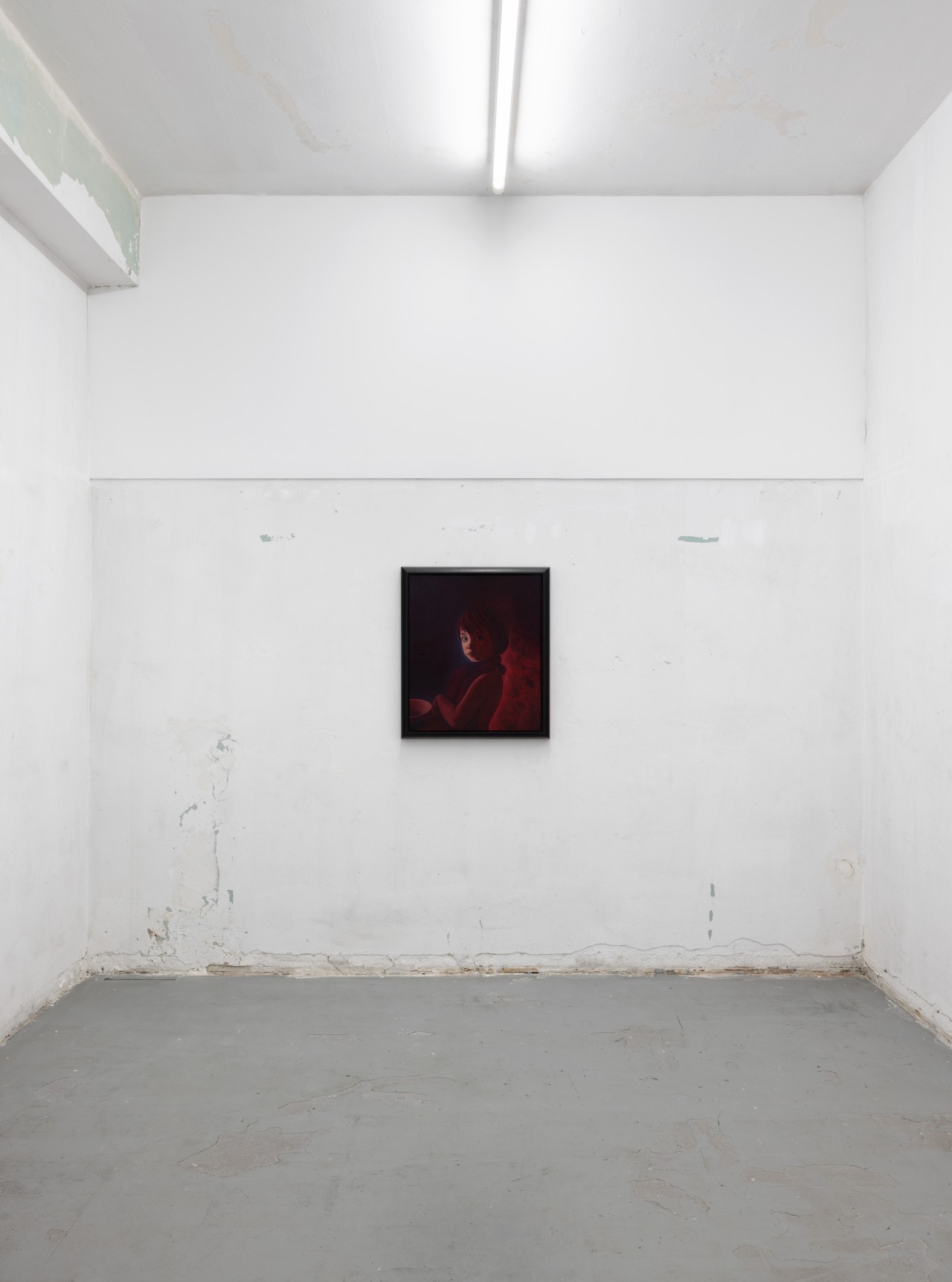
Fondazione ICA Milano presents The Sleeping Guard, the first institutional solo exhibition in Italy by artist Oliver Osborne, curated by Alberto Salvadori.
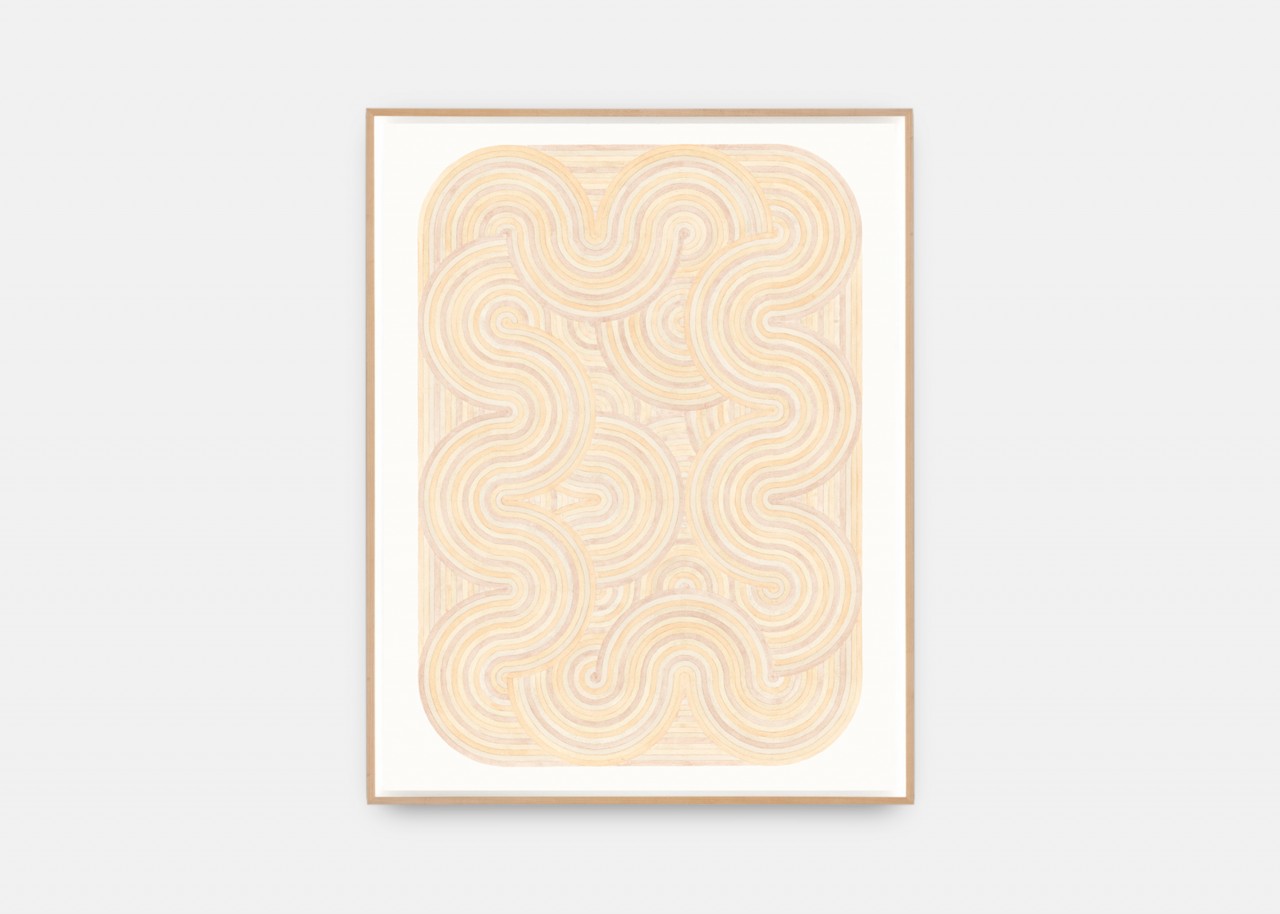
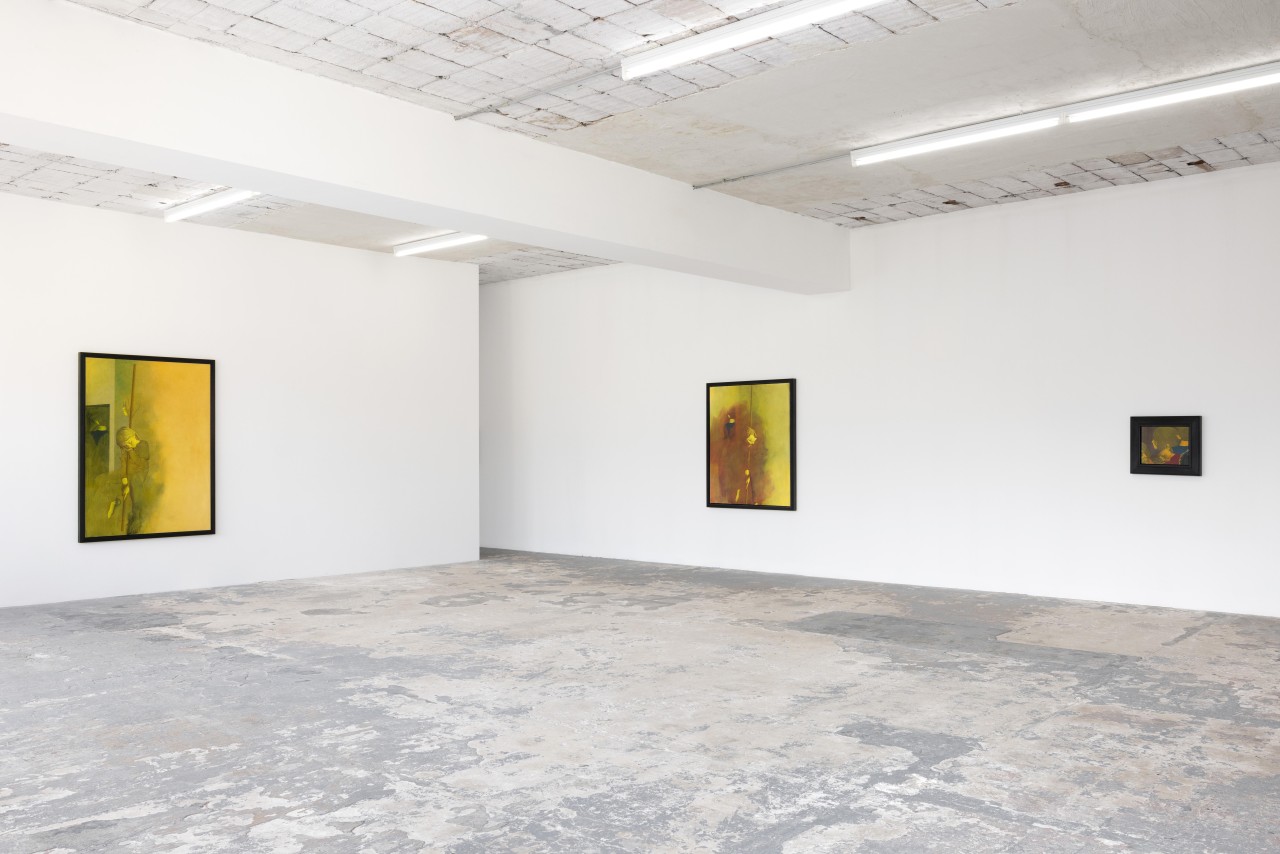
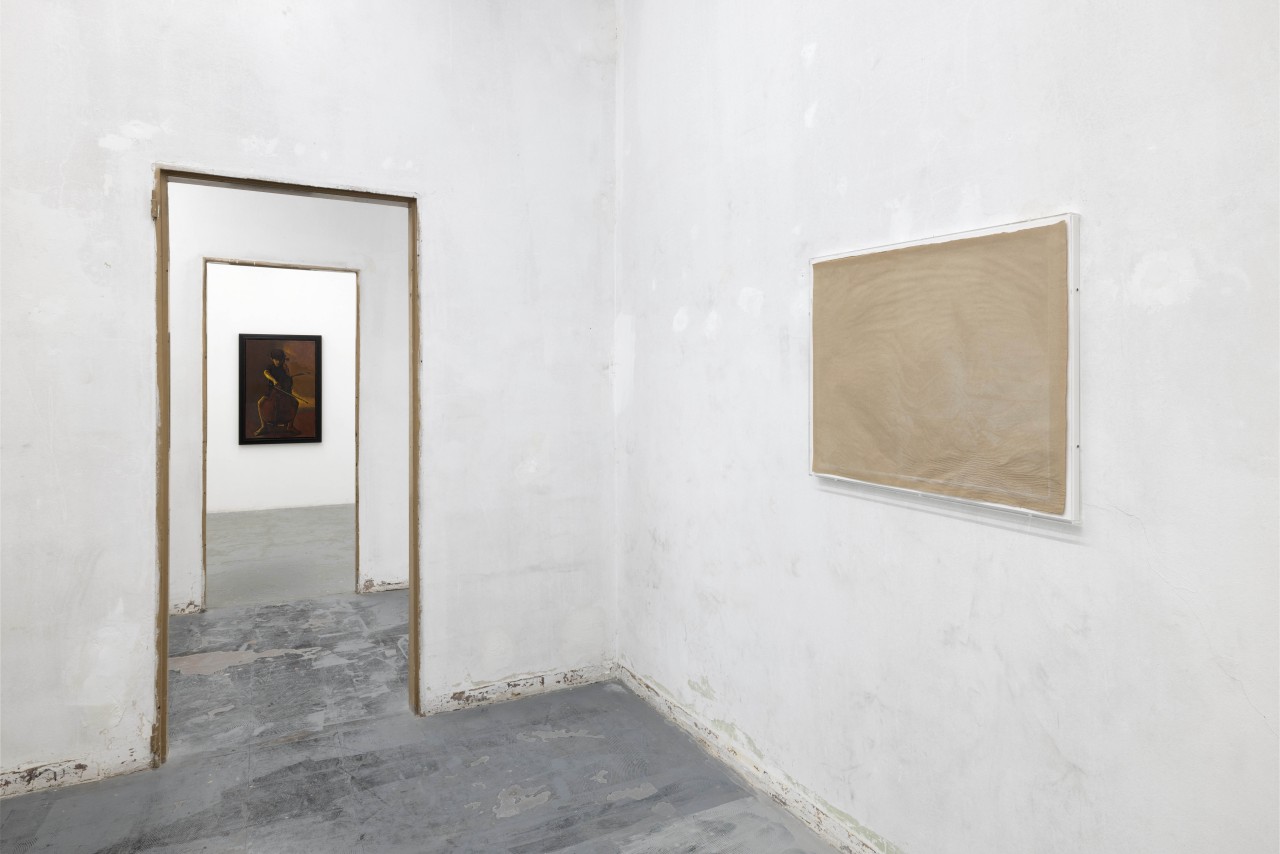
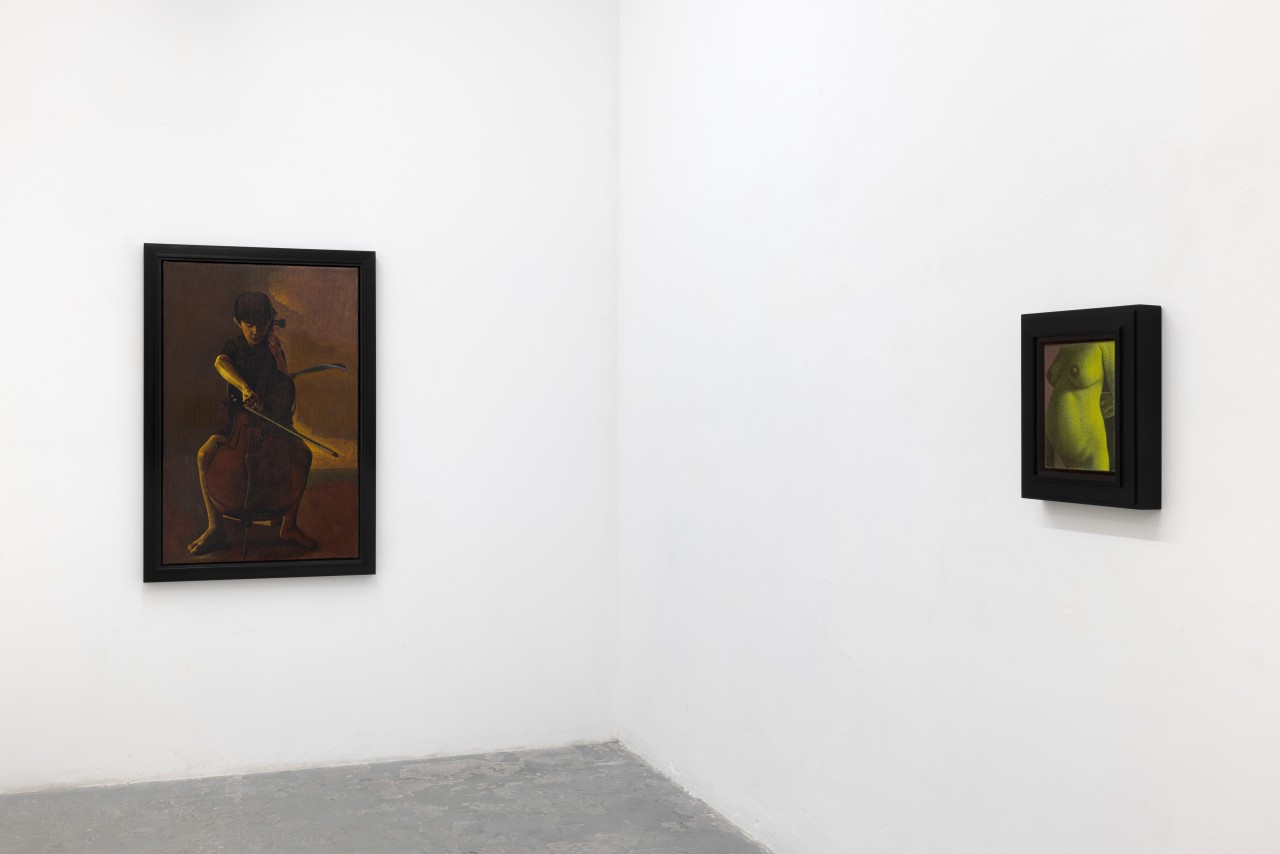
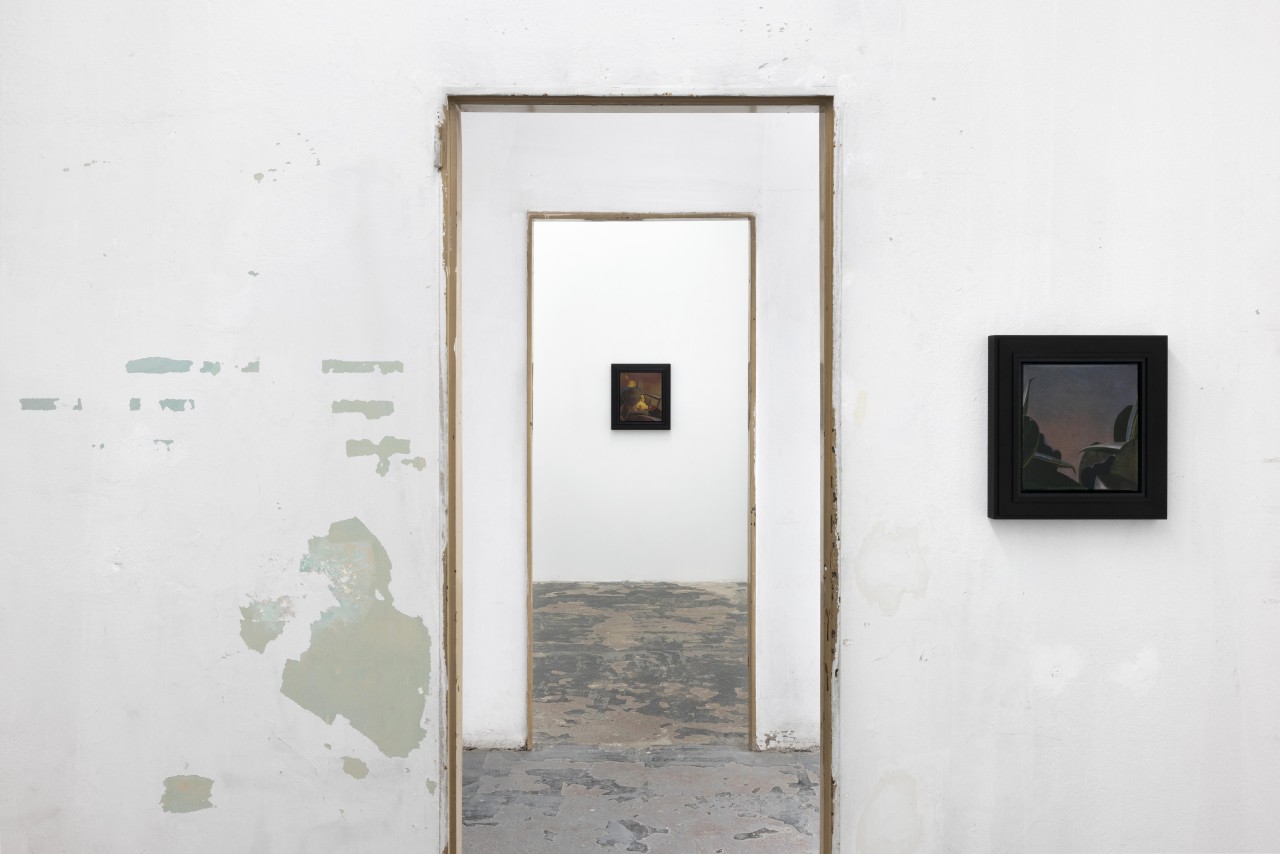
The exhibition brings together a selection of previously unseen paintings and drawings created by the artist over the past decade.
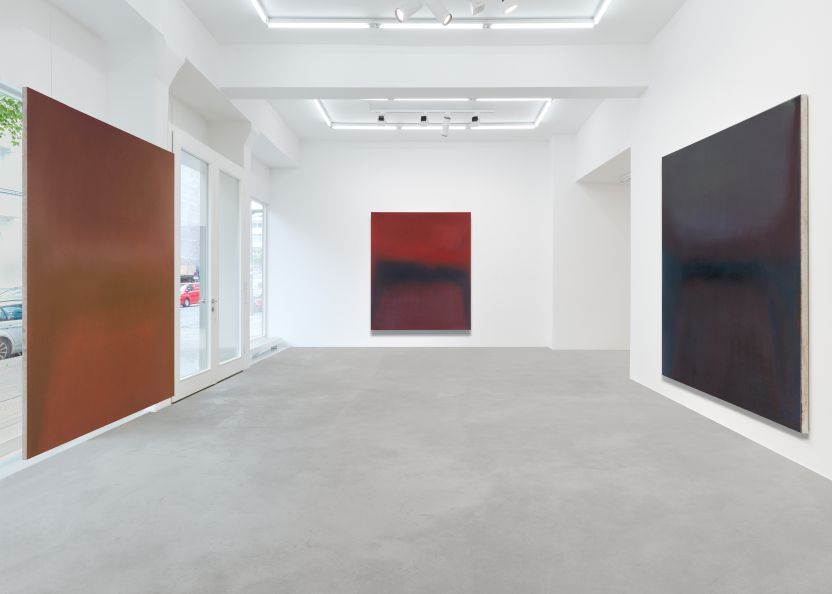
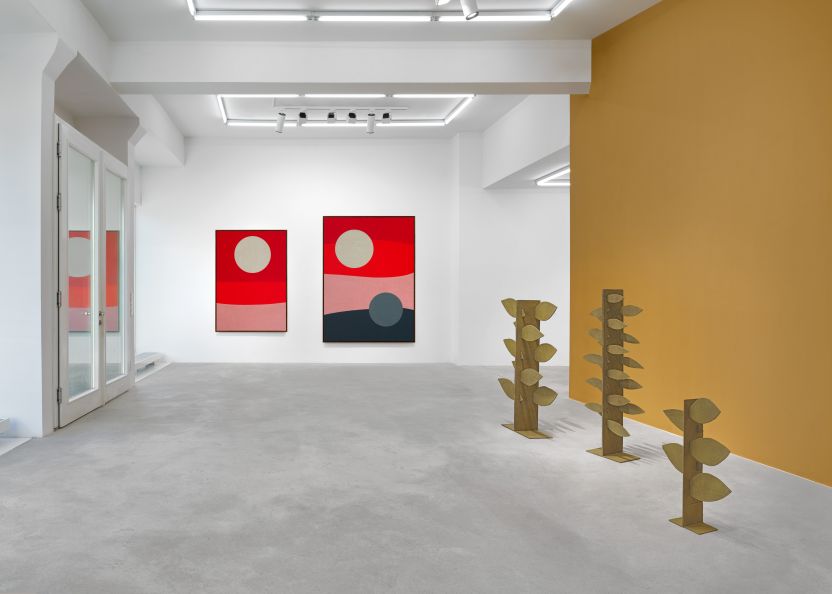
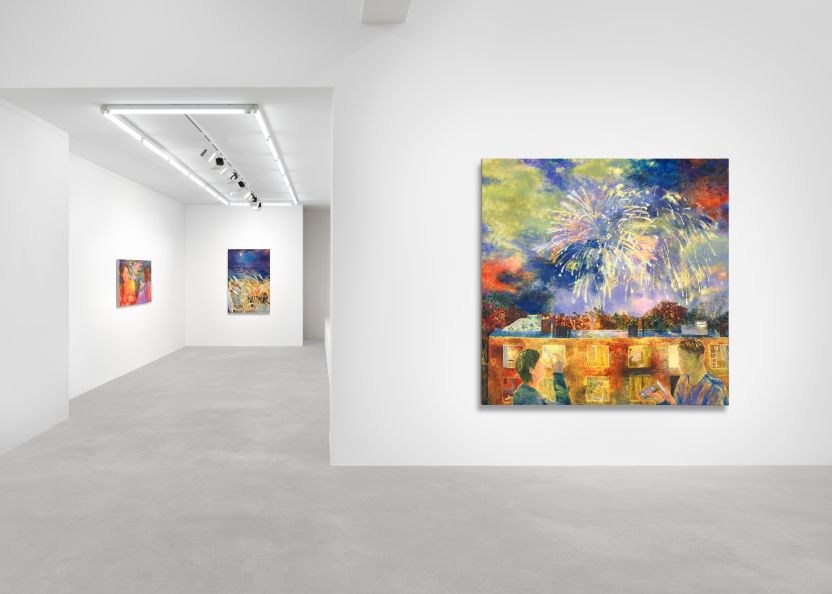
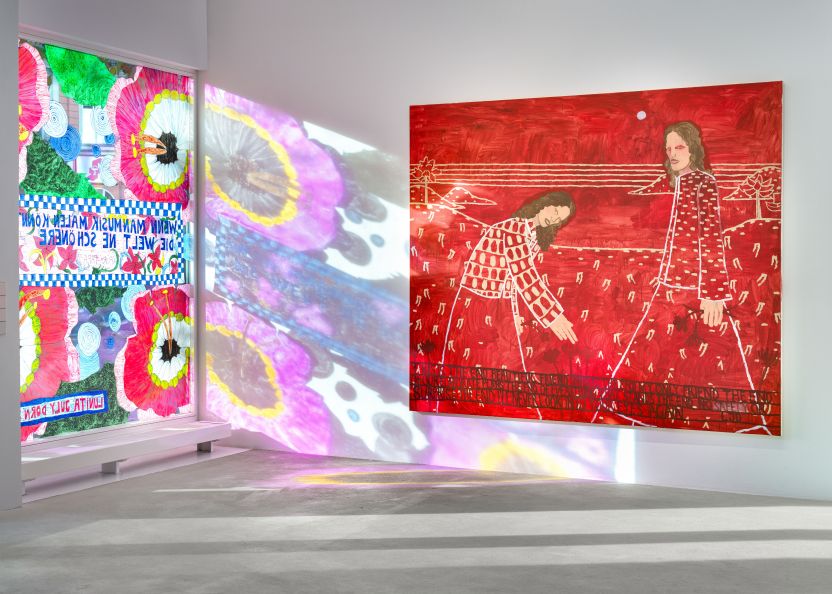
Through the selected works, in The Sleeping Guard Osborne explores what painting is still capable of communicating in the digital age. His works intertwine references to art history, personal narrative, and the local Milanese context. These three dimensions merge within his compositions, evoking in the viewer a sense of wonder and openness to the unexpected — a central theme in the artist’s practice.
Osborne’s practice moves between figuration and abstraction, between repetition and experimentation. Through alterations in composition, scale, and chiaroscuro, Osborne reinterprets iconic images from the painting tradition, bringing forth new visual possibilities and emphasizing the connection between painting and the intimate sphere. His work questions the role of the painter in the 21st century, within a visual culture dominated by the continuous and ever-shifting flow of images and meanings.
The subjects of Osborne’s canvases draw inspiration from art history and its major themes. One of the central works in the exhibition, Mantegna’s Dead Christ (2022), is based on The Dead Christ (ca. 1480) by Andrea Mantegna, housed at the Pinacoteca di Brera. In Osborne’s reworking, Christ’s body appears and disappears like a silhouette on the surface, an effect created by light on paper: an evocation of the passage of time and the surfacing of memory. Next to this work is displayed a painting of Michel Majerus (1967–2002), inspired by the photographic portrait taken by Albrecht Fuchs in 1996. The painting serves as a tribute to an artist, prematurely deceased, who foresaw the potential of painting in the digital era earlier than many others.
The exhibition’s title, The Sleeping Guard, is inspired by the fresco The Liberation of St. Peter (ca. 1481) by Filippino Lippi, located in the Brancacci Chapel in Florence.
As Osborne himself explains: “In this digital moment, there’s so much about simultaneity—being in multiple spaces or times at once—that a kind of psychological dislocation has begun to affect many painters. In this sense, including my children in the work feels urgent. Returning again and again to the same subjects creates, for me, the conditions for the unexpected, forcing me to go beyond what I already recognize. It’s a kind of creativity through patience.”
The works on view span the last ten years of the artist’s production and demonstrate how the repetition of a subject can challenge static forms of representation, transforming the image over time. In The Sleeping Guard a series of portraits of the artist’s children highlights Osborne’s role as a witness to the passing of time and reflects on painting’s ability to capture a moment and to show its transformation.