Tanya Leighton
Tanya Leighton
Layered Landscape: Memory and Ecological Witness, Jordan Schnitzer Museum of Art at Portland State University, Portland, Oregon, USA
21 January – 17 April 2027
About
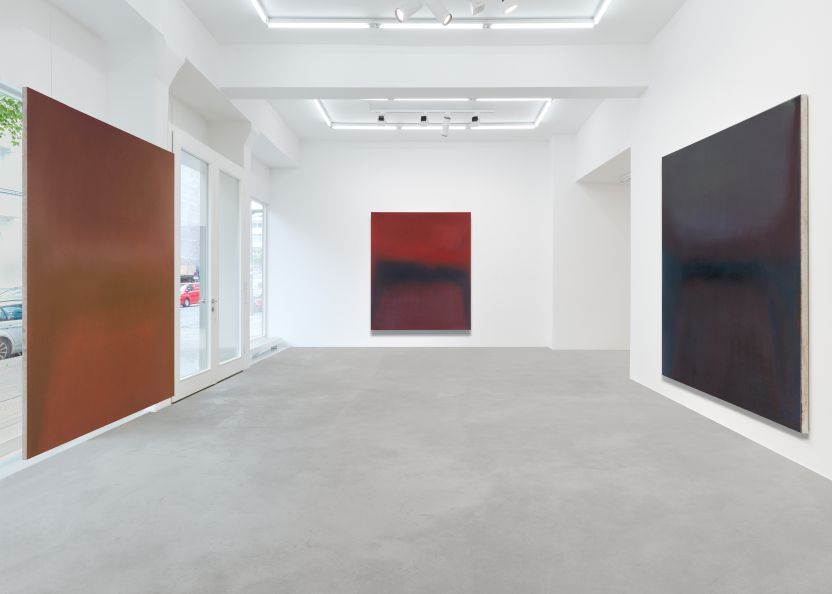
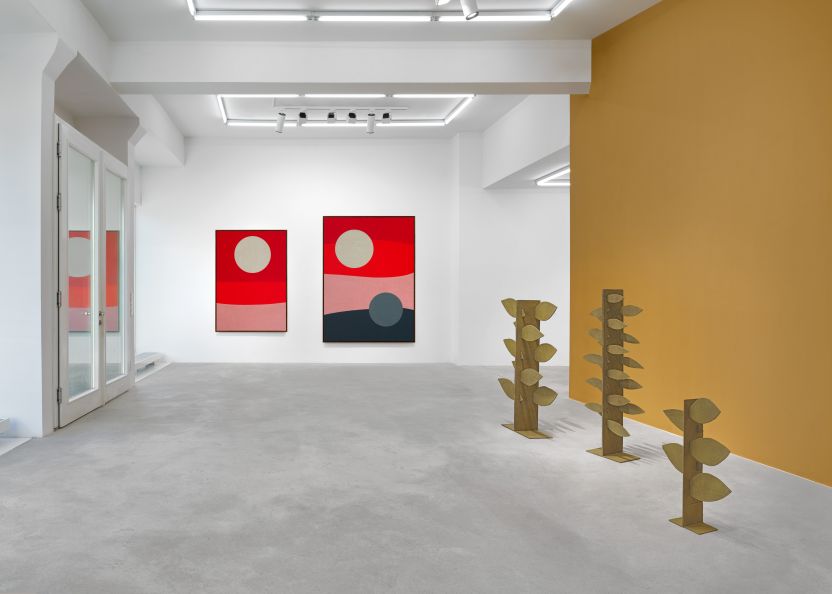
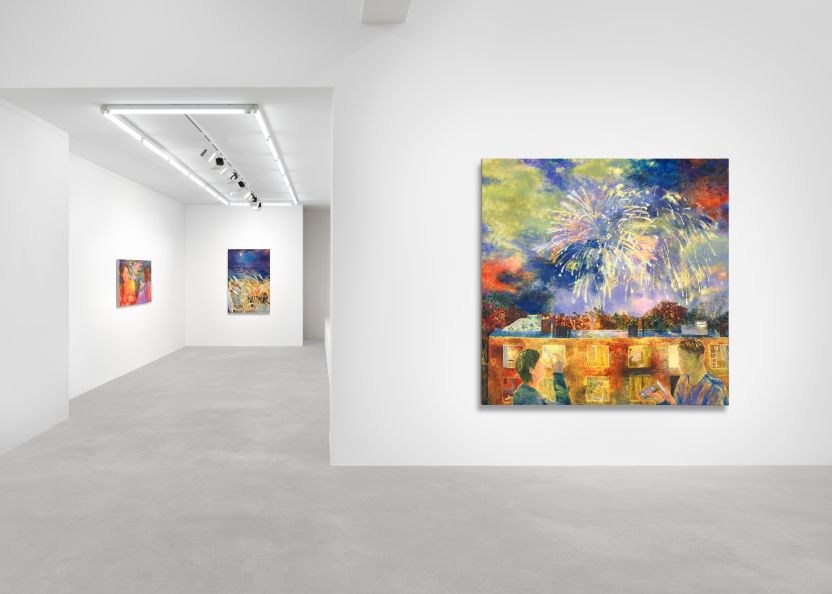
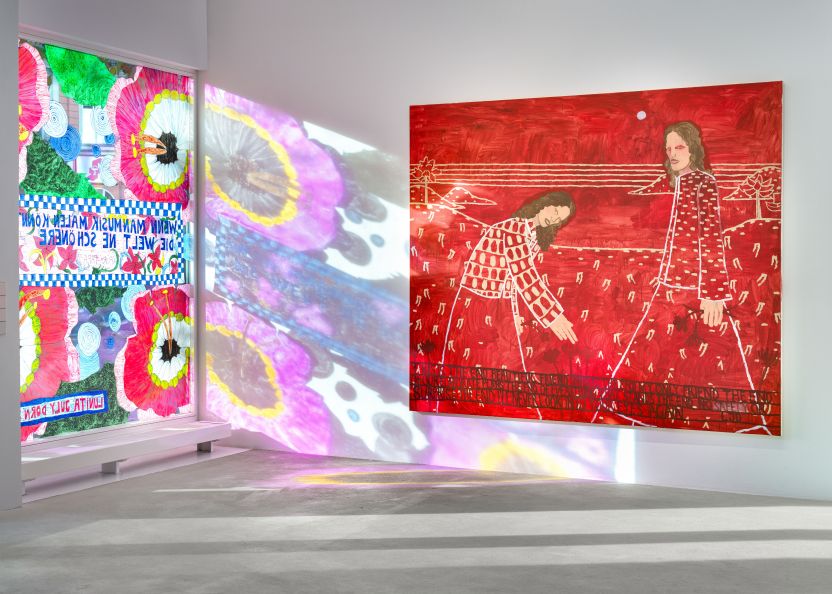
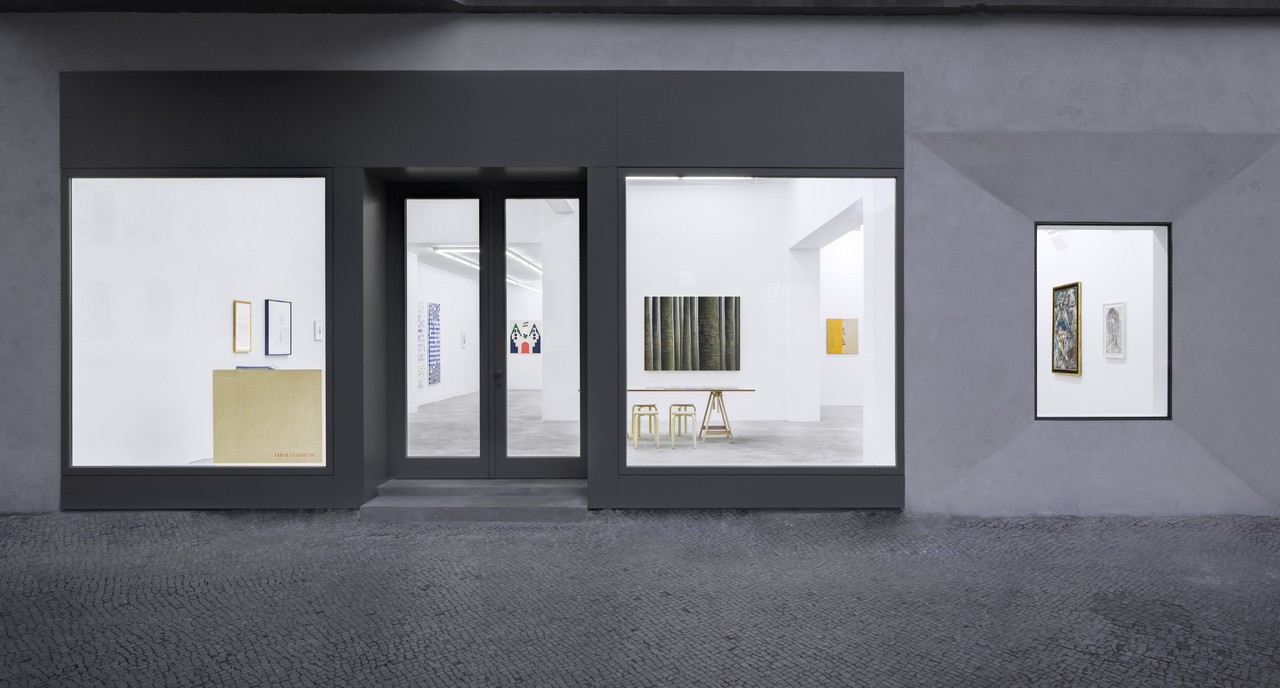
Tanya Leighton is a contemporary art gallery with spaces in Berlin and Los Angeles, representing over thirty artists and estates. The gallery presents exhibitions, talks, publications, and events, and participates in international art fairs to advocate for emerging, mid-career, and established artists. Alongside fostering artistic careers, Tanya Leighton recontextualises historical practices, bringing marginalised figures into focus within contemporary discourse. Founded in 2008 with its first space on Berlin’s Kurfürstenstrasse, the gallery has since become a leading platform for international contemporary art. In 2015, a second Berlin location opened, followed by the expansion to Los Angeles in 2021.
Newsletter
Contact
General Inquiries:
Tel: +49 (0)30 21972220
info@tanyaleighton.com
Due to the volume of submissions, we cannot accept unsolicited portfolios at this time. We thank you for your understanding.
Location
Tanya Leighton Berlin
Kurfürstenstraße 156 & 24/25
Berlin 10785 DE
Directions
Tanya Leighton Los Angeles
4654 W Washington Blvd
LA 90016 CA
Directions
Hours
Berlin
Tuesday–Friday: 11–6pm
Saturday: 1–6pm
and by appointment
Los Angeles
Tuesday–Saturday: 11–5pm
and by appointment