Luisa Rabbia
Containing the Container
9 September – 10 October 2026, Kurfürstenstraße 24/25
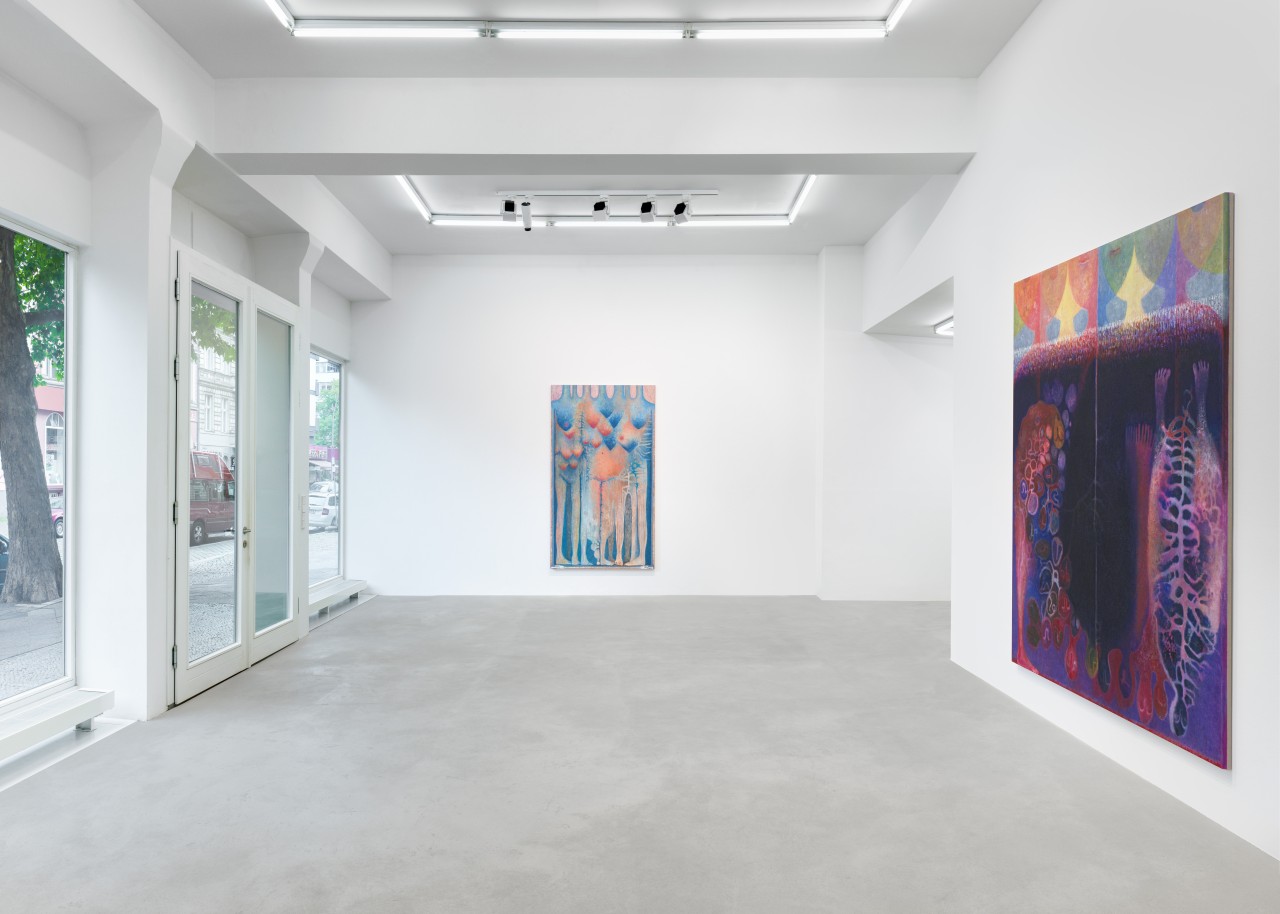
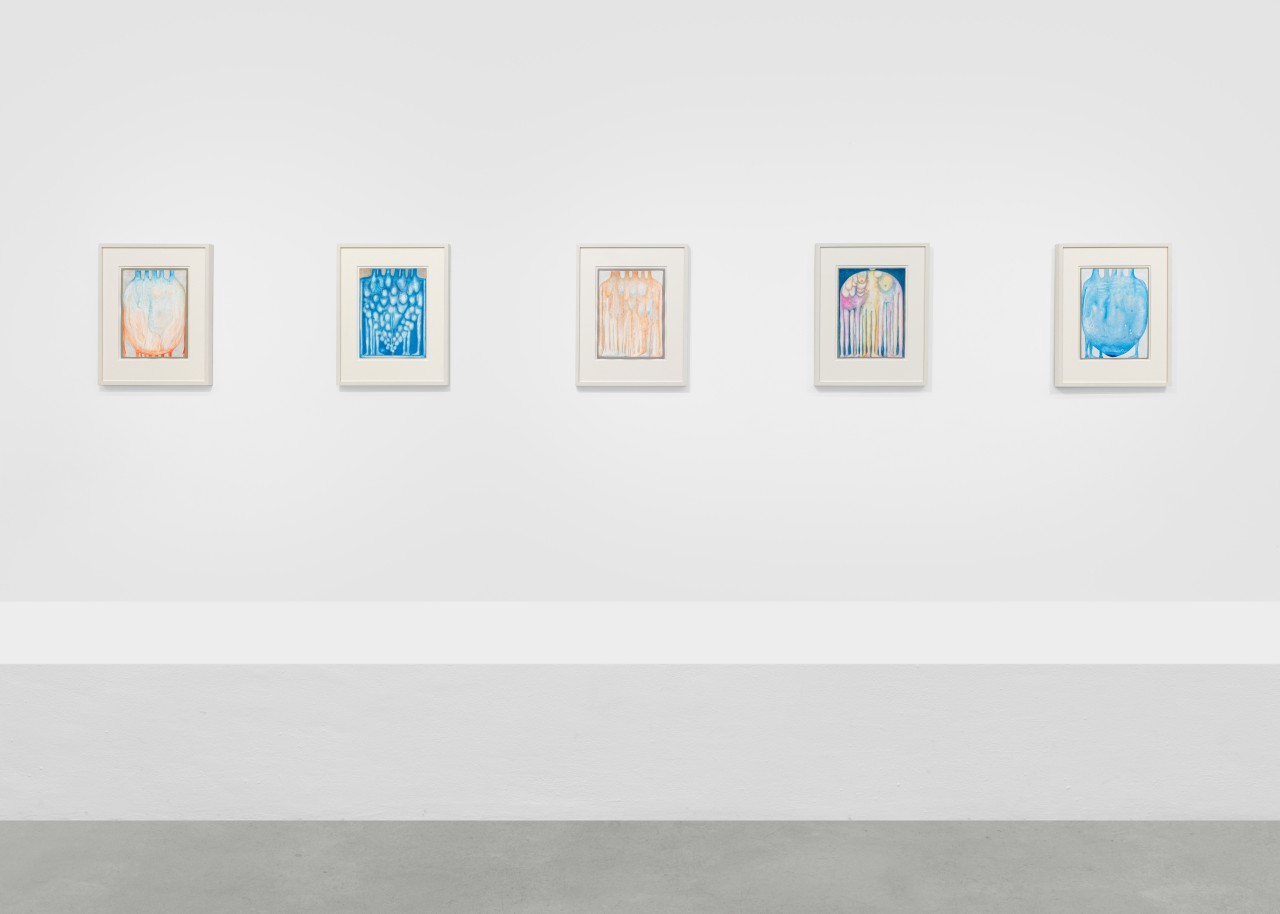
Tanya Leighton is pleased to present ‘Containing the Container’, the first solo exhibition in Germany by New York-based artist Luisa Rabbia, on the occasion of Berlin Art Week 2026.
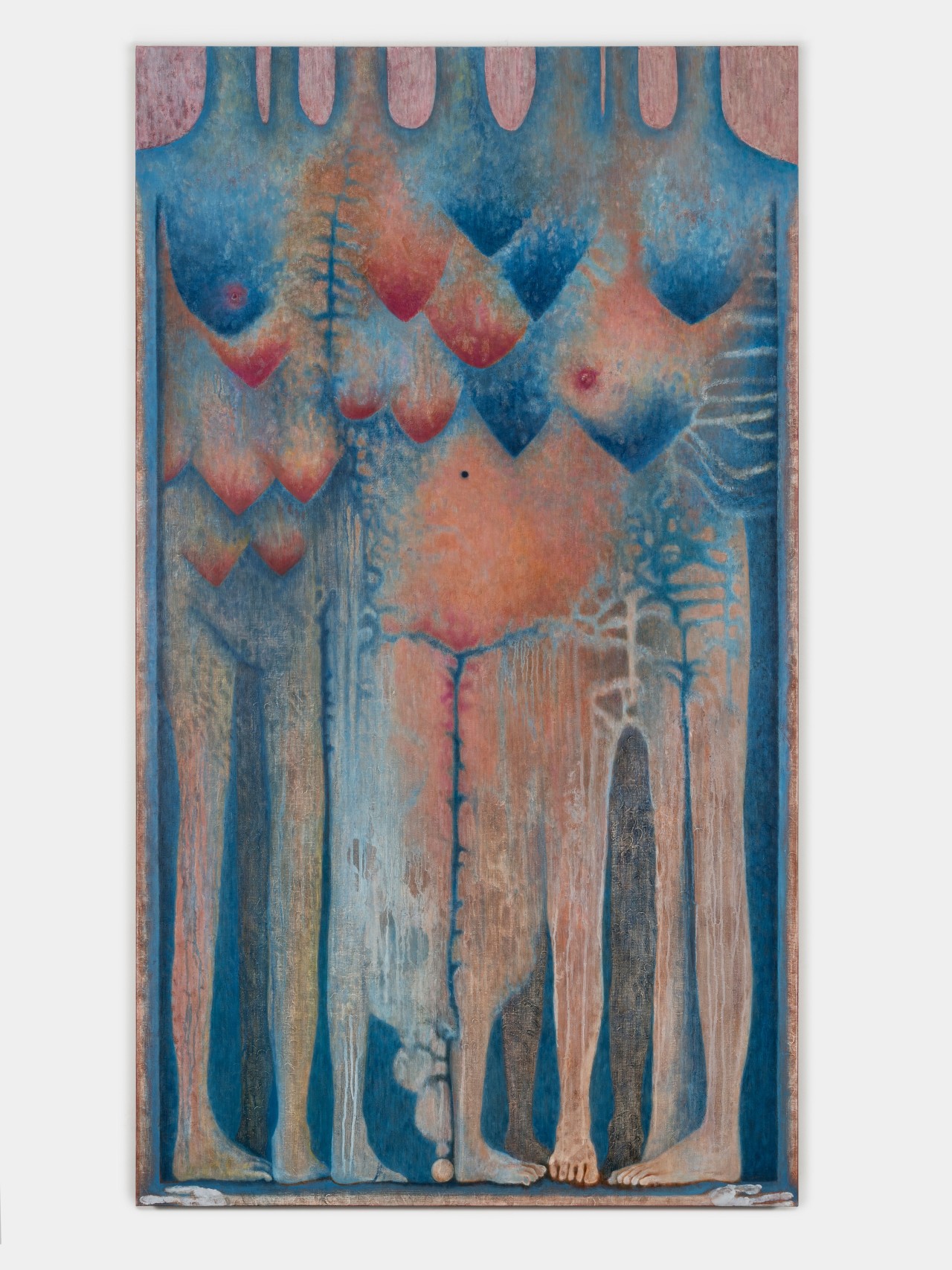
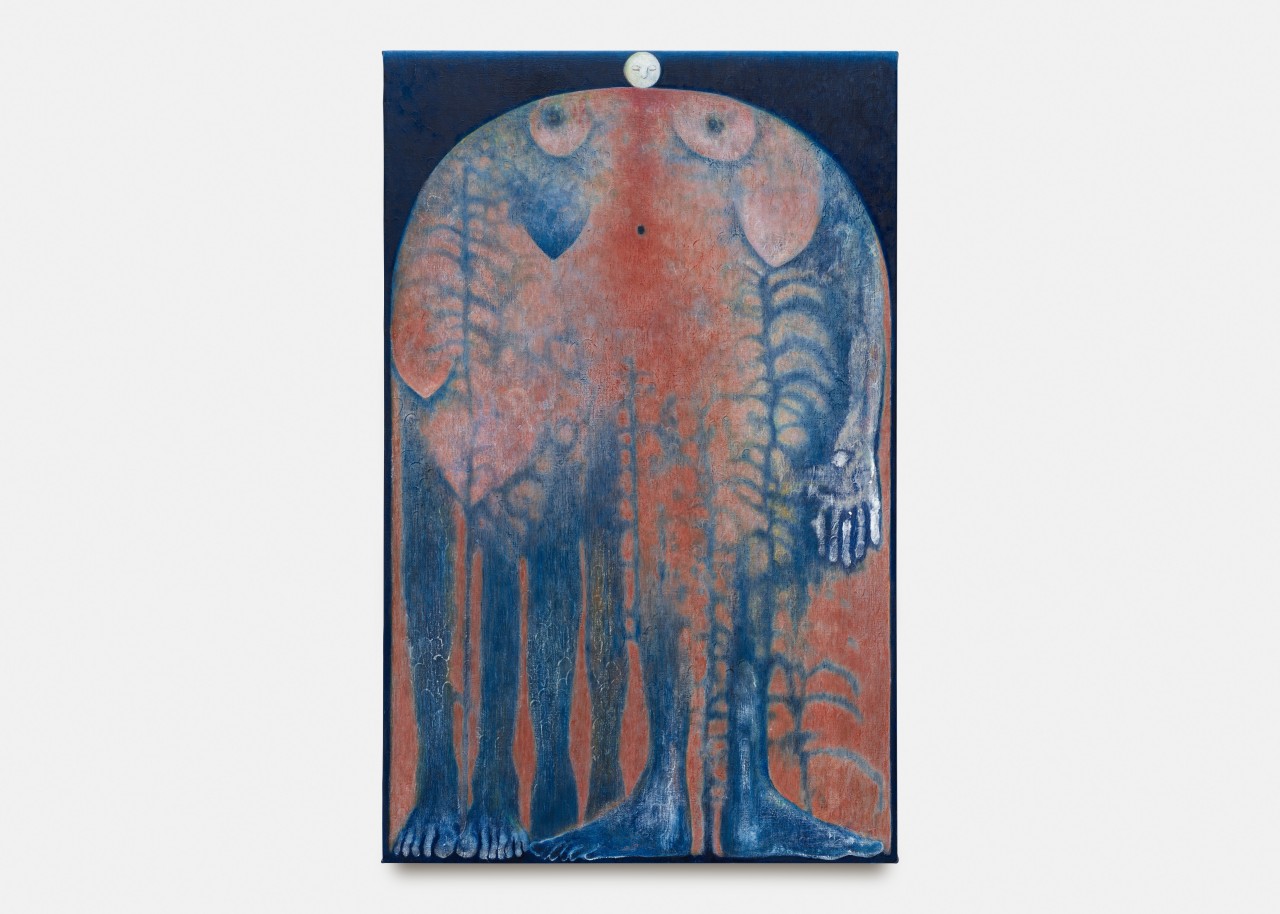
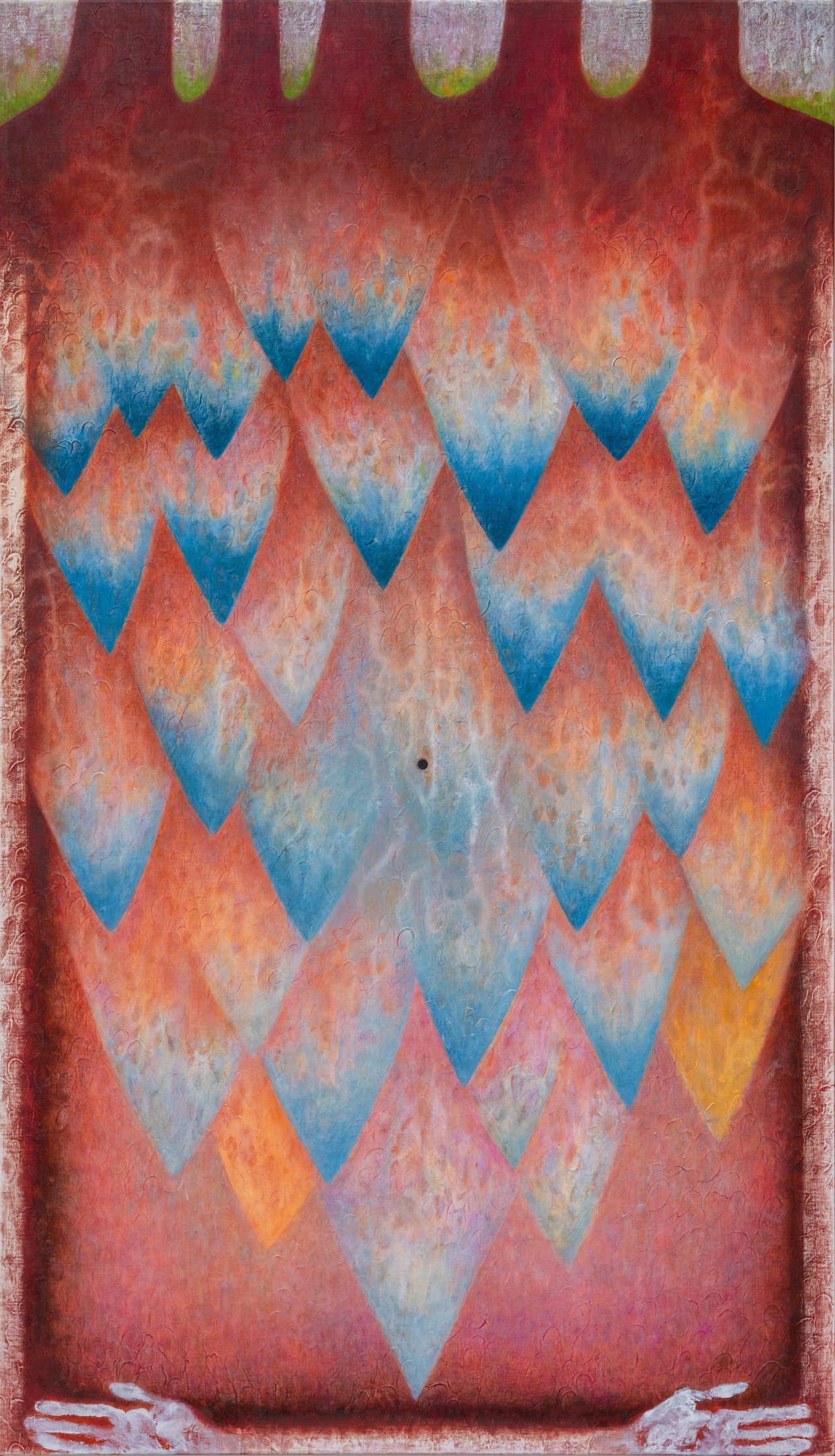
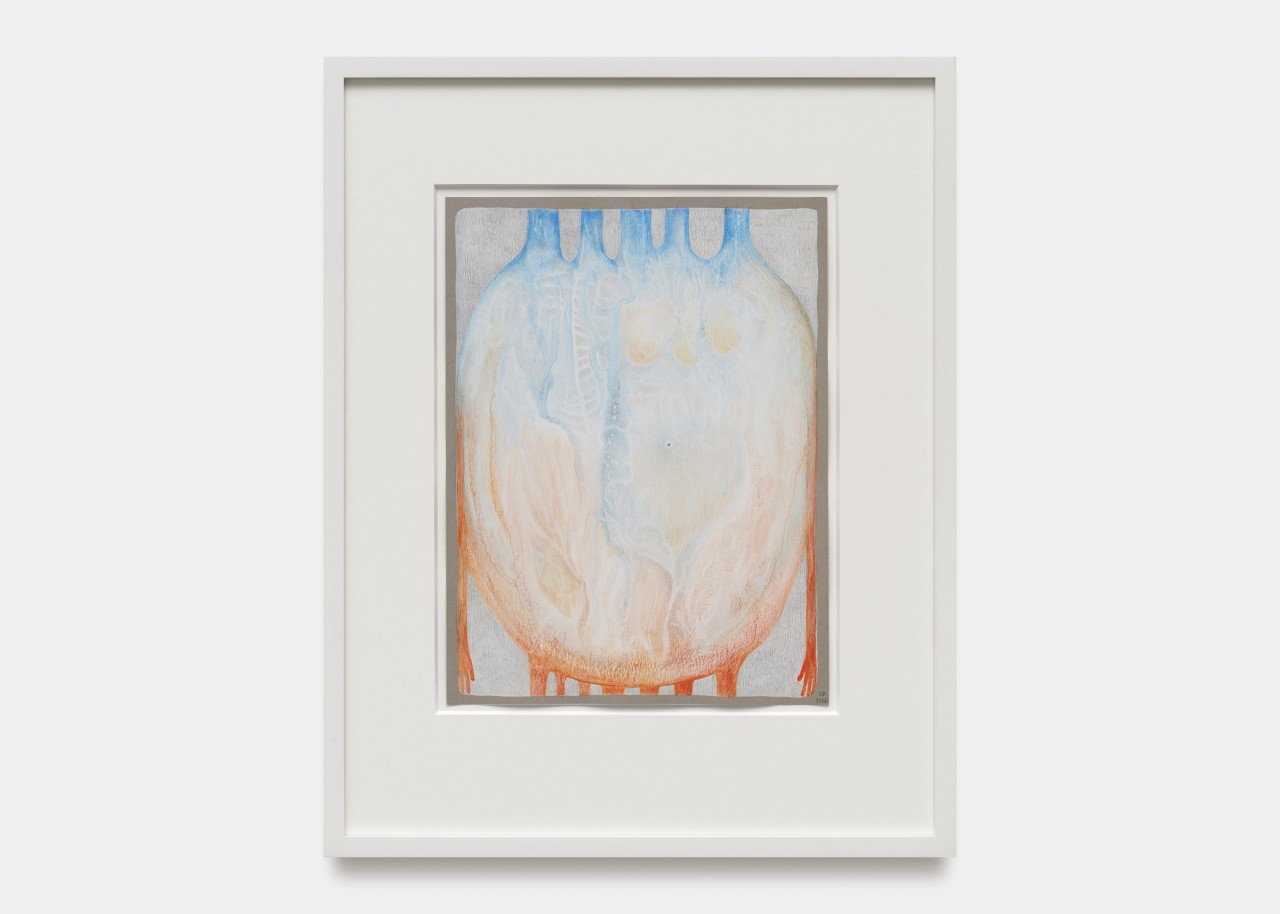
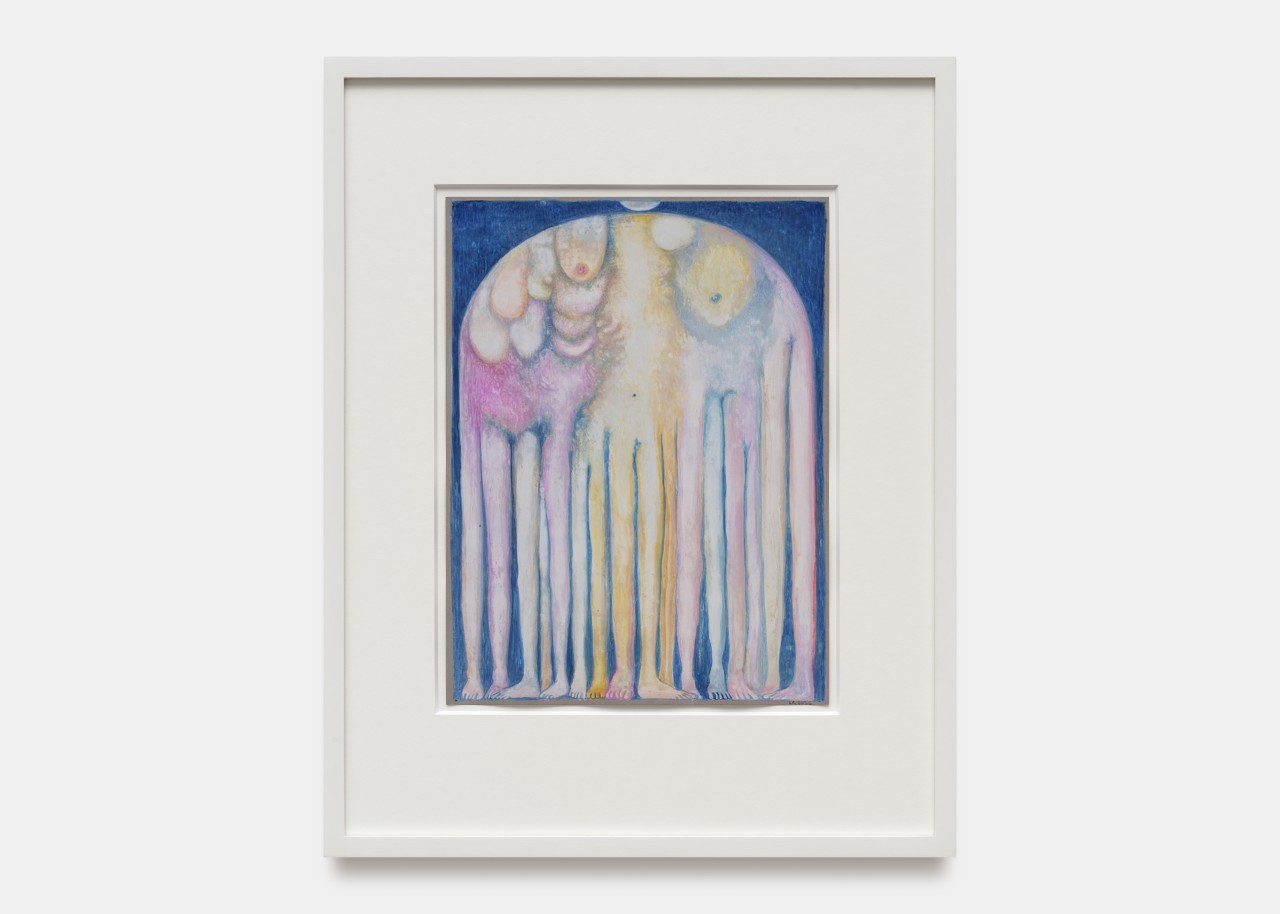
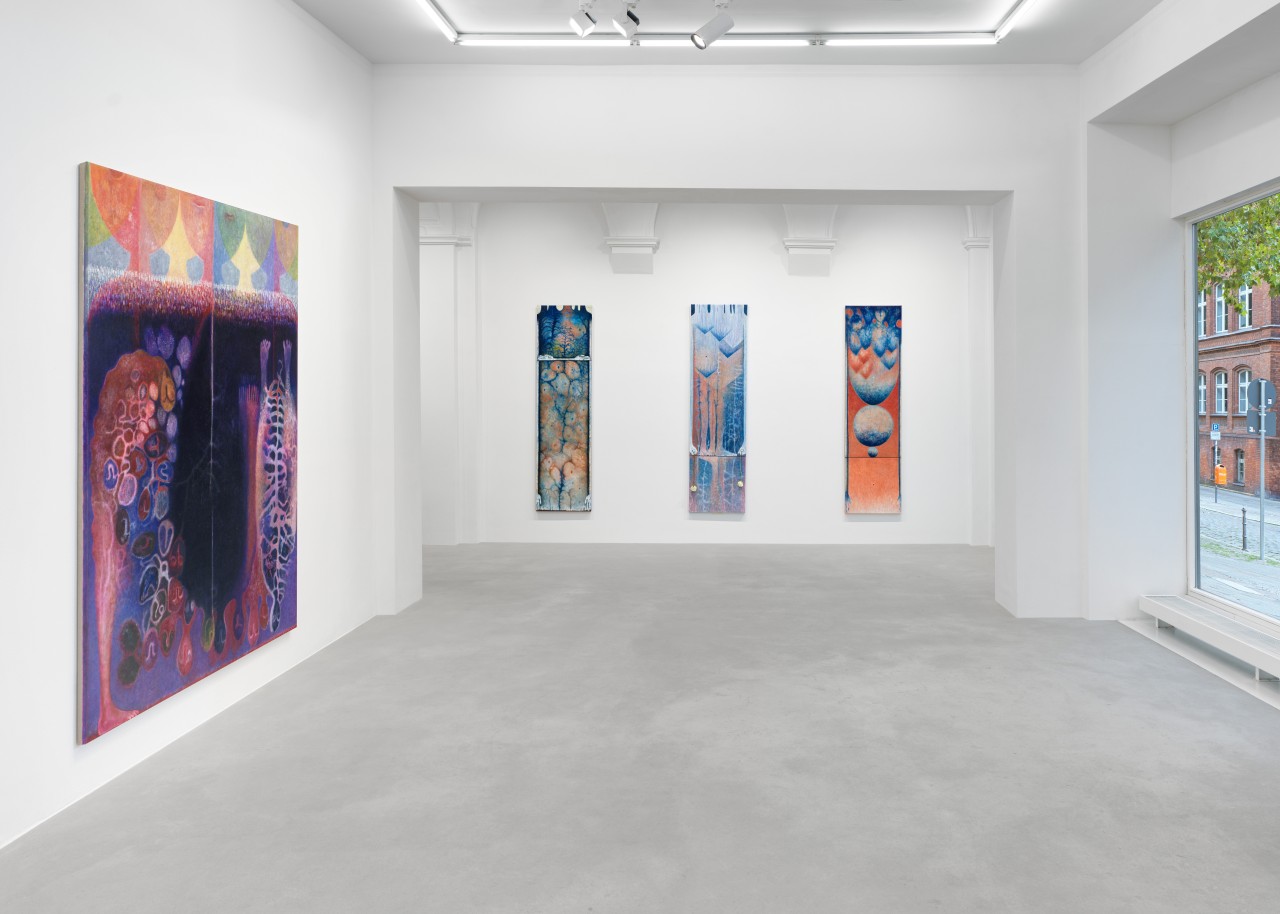
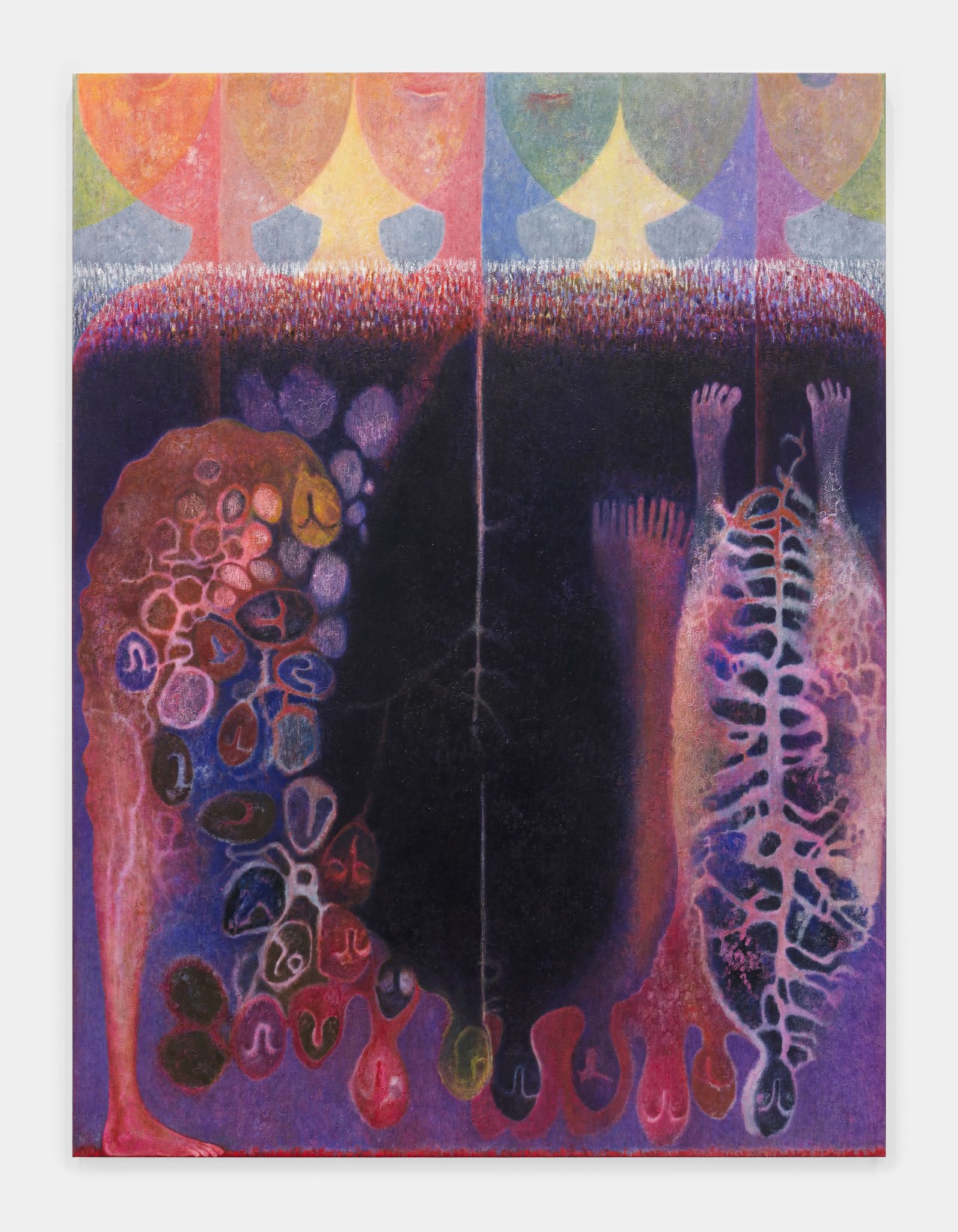
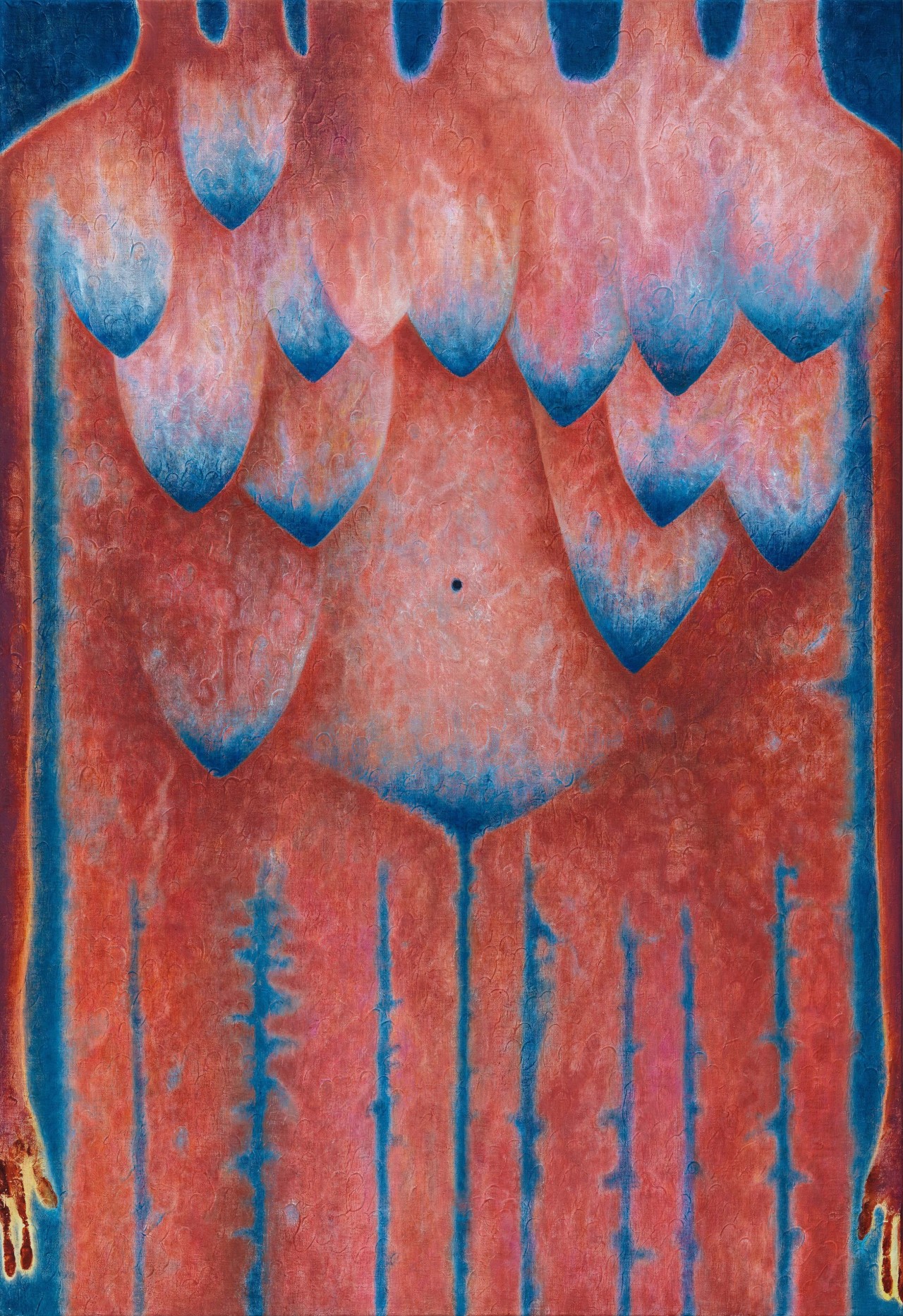
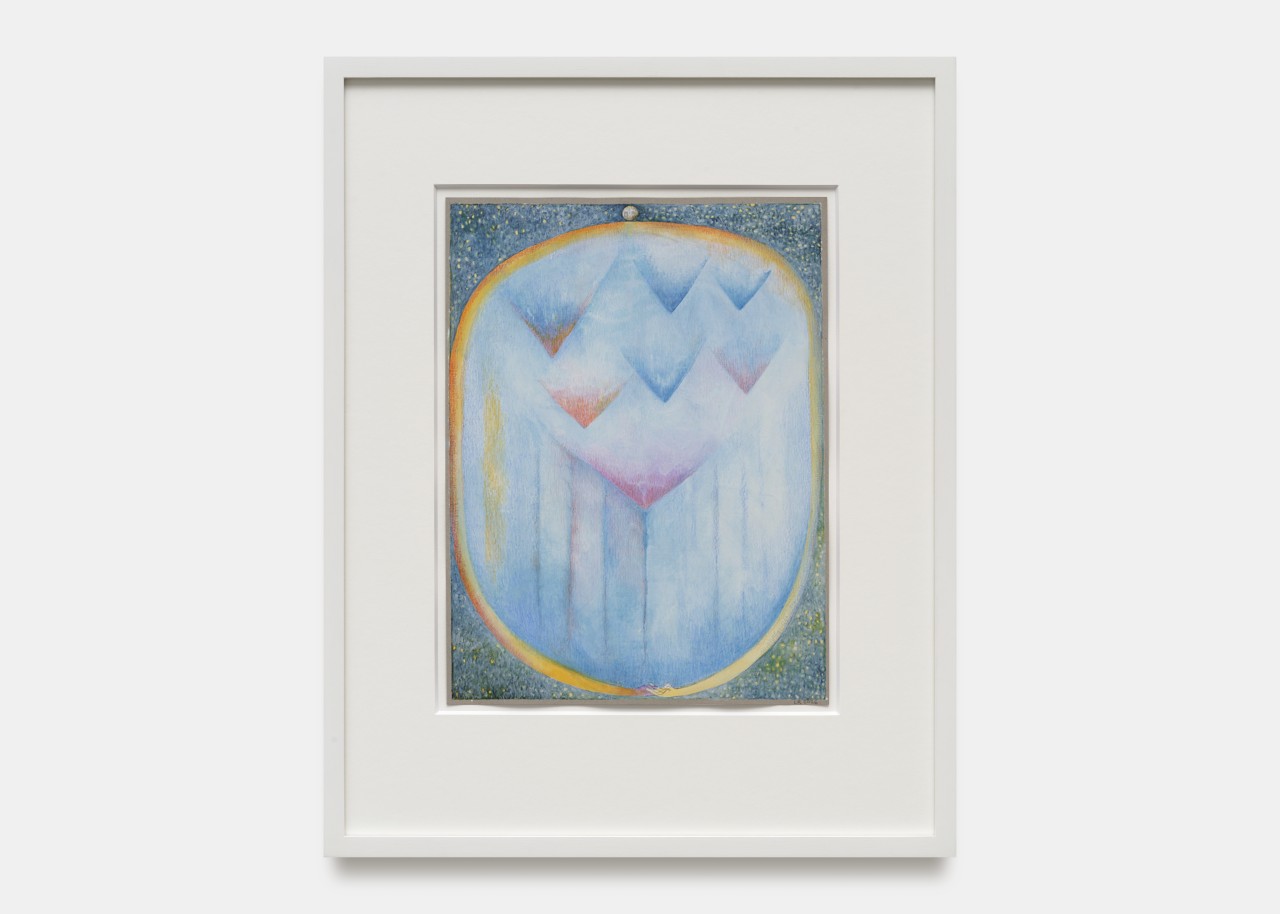
For ‘Containing the Container’, Rabbia looks to the female body as a source of energy and change, and at the networks of support women have built over generations. The works draw on Neolithic mythology, in which the female body was viewed as a primary transformer, a sacred vessel capable of transforming life, death and energy into new existence. In the title painting, a cascade of female torsos multiplies downward through the canvas, bodies opening into other bodies, breasts and belly becoming structure and landscape before resolving into several feet at the base. The body as a vessel of past and future exceeds what it contains: figures open into root systems, cellular forms, geologies, and the container itself is revealed as permeable, provisional, alive.
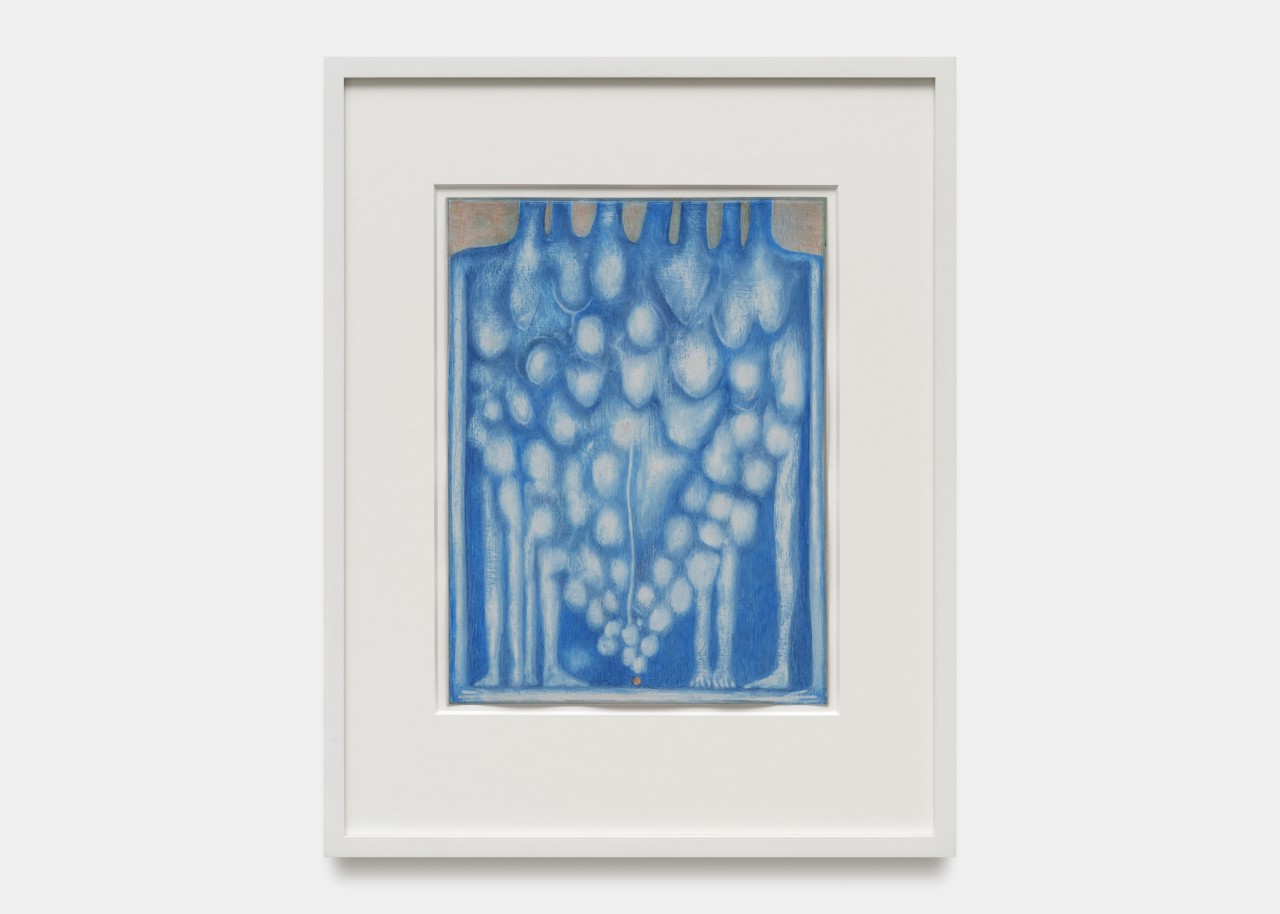
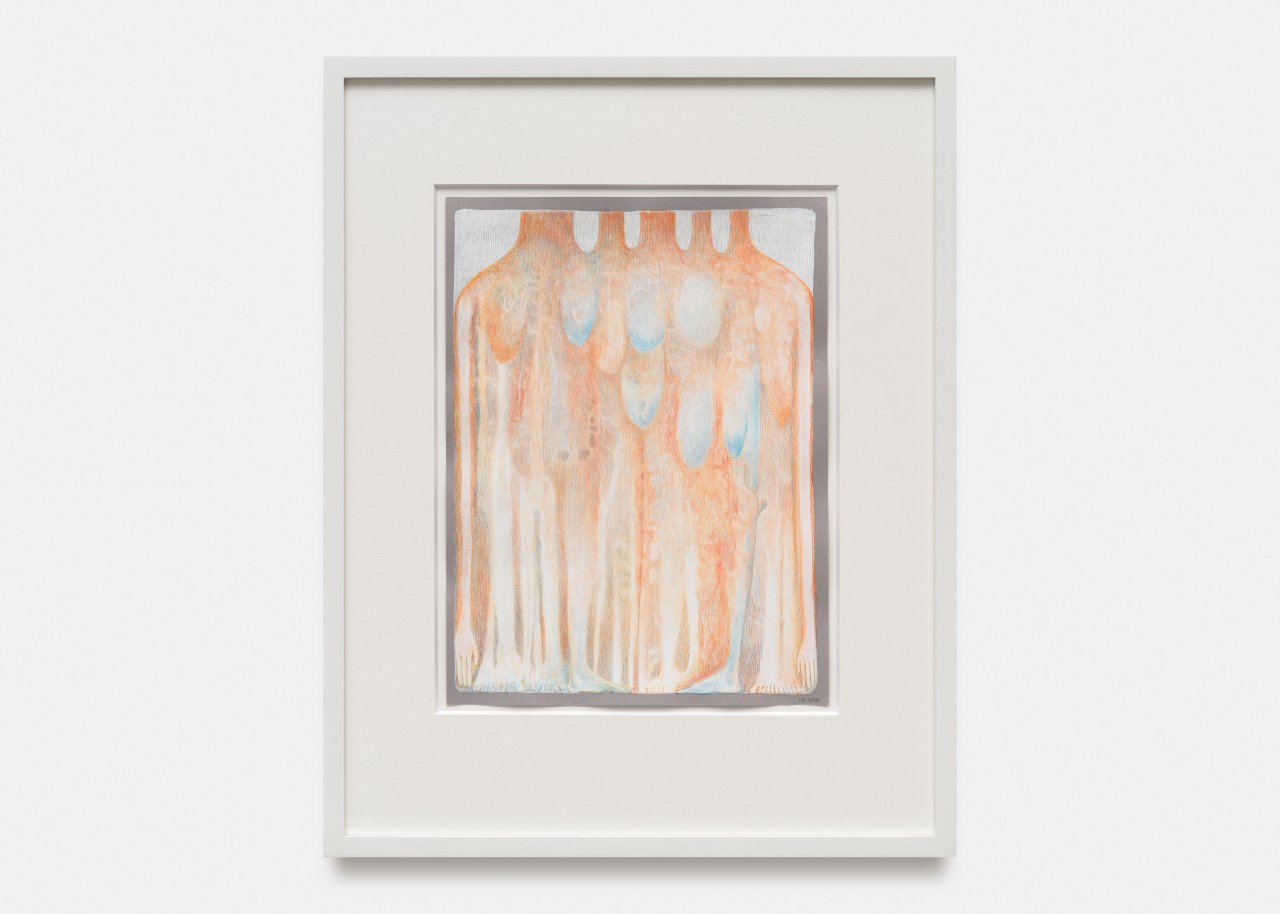
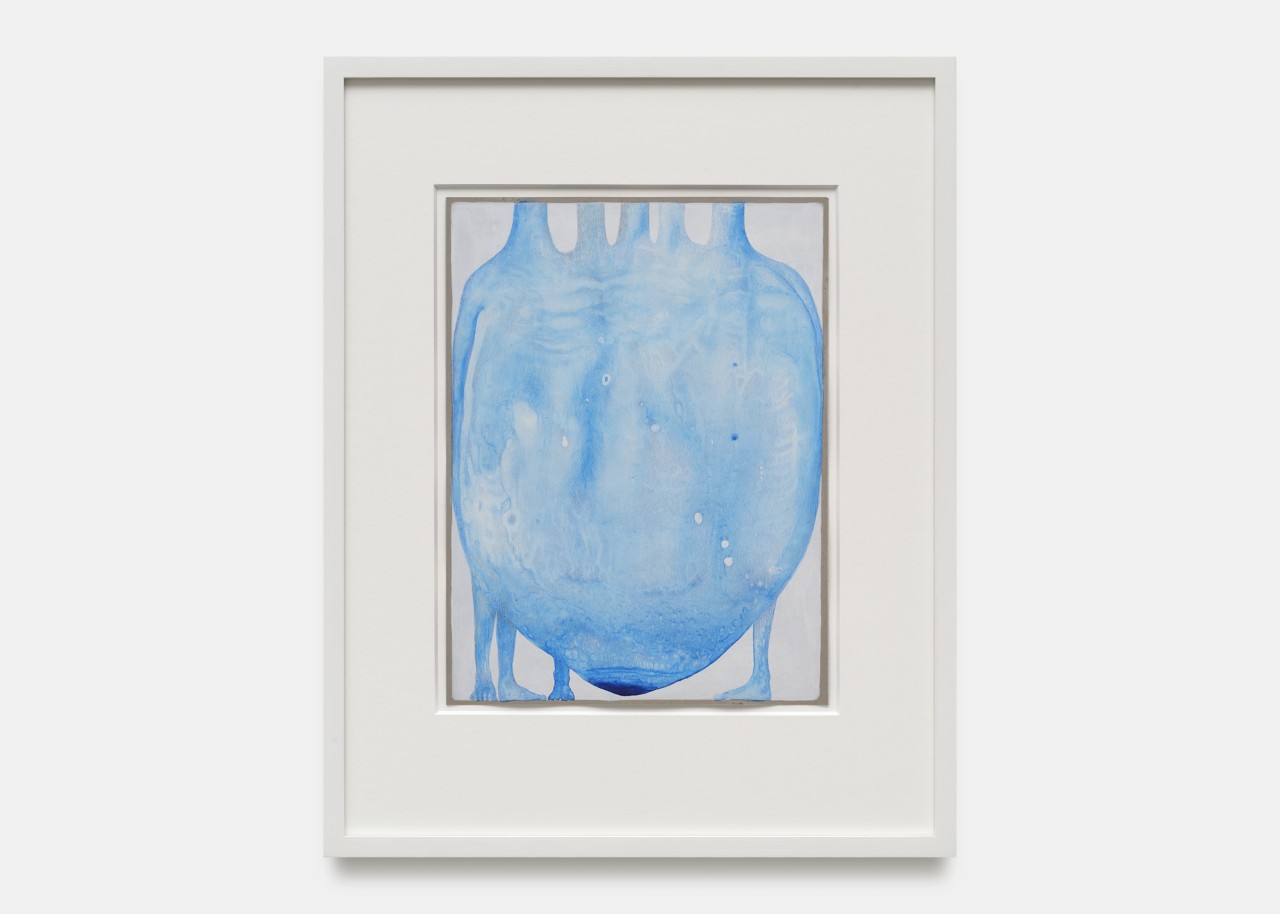
Her paintings blur the line between the human body and the natural world. She builds up layered compositions in which figures appear and disappear, shifting between the very small (cells, fingerprints, veins) and the very large (landscape, cosmos, multitude). The surfaces show how she works physically: paint scraped in repeated gestures, marks built up over time, fingerprints pressed into gesso, visible under layers of paint. The fingerprint recurs across Rabbia’s work as a fundamental unit of mark-making: the most individual identifier imaginable, yet as she deploys thousands of them their individuality disappears into multiplicity. She has described the motif as speaking simultaneously to uniqueness and unity, and as non-gendered. Her use of colour suggests movement and change, states of becoming that carry spiritual as well as material weight.
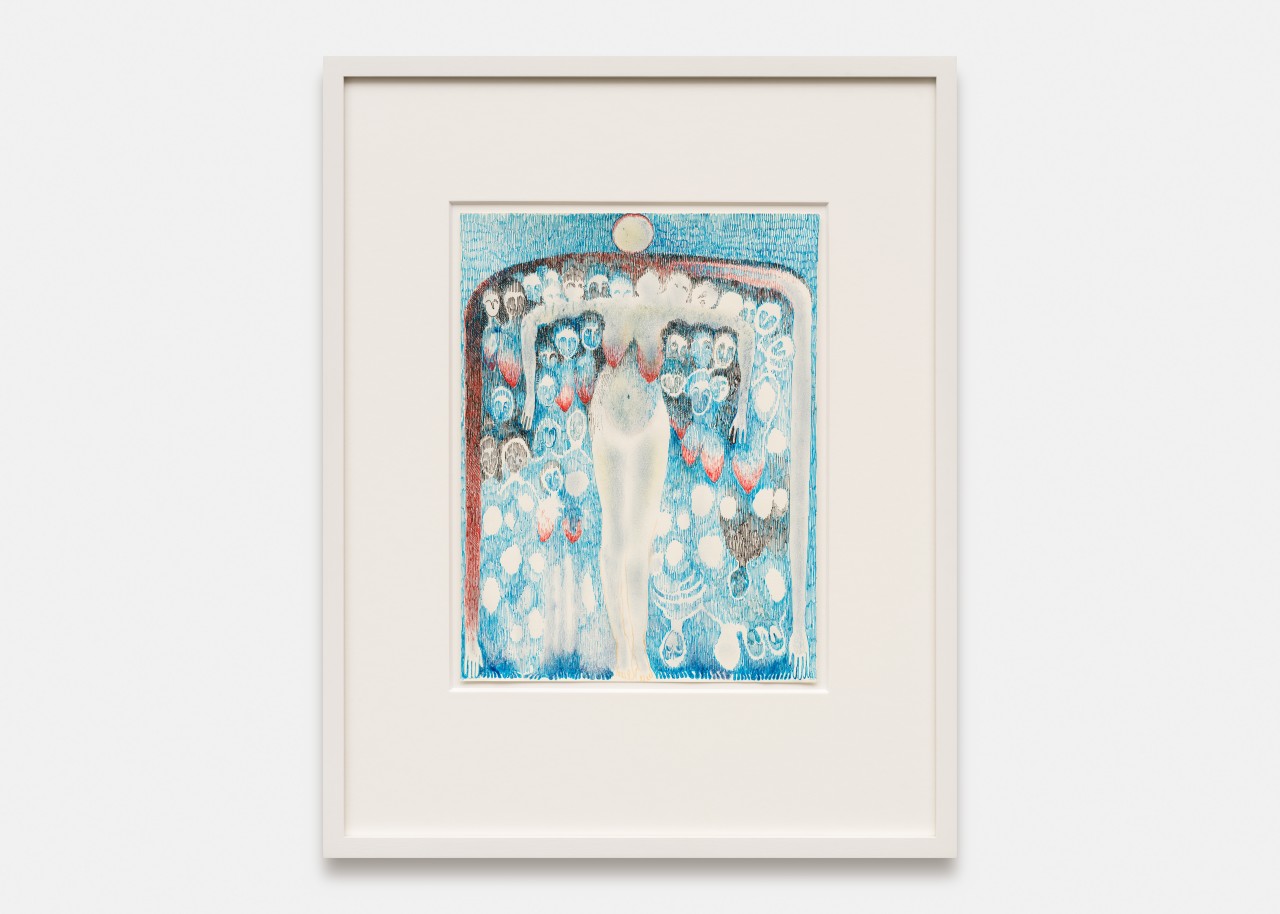
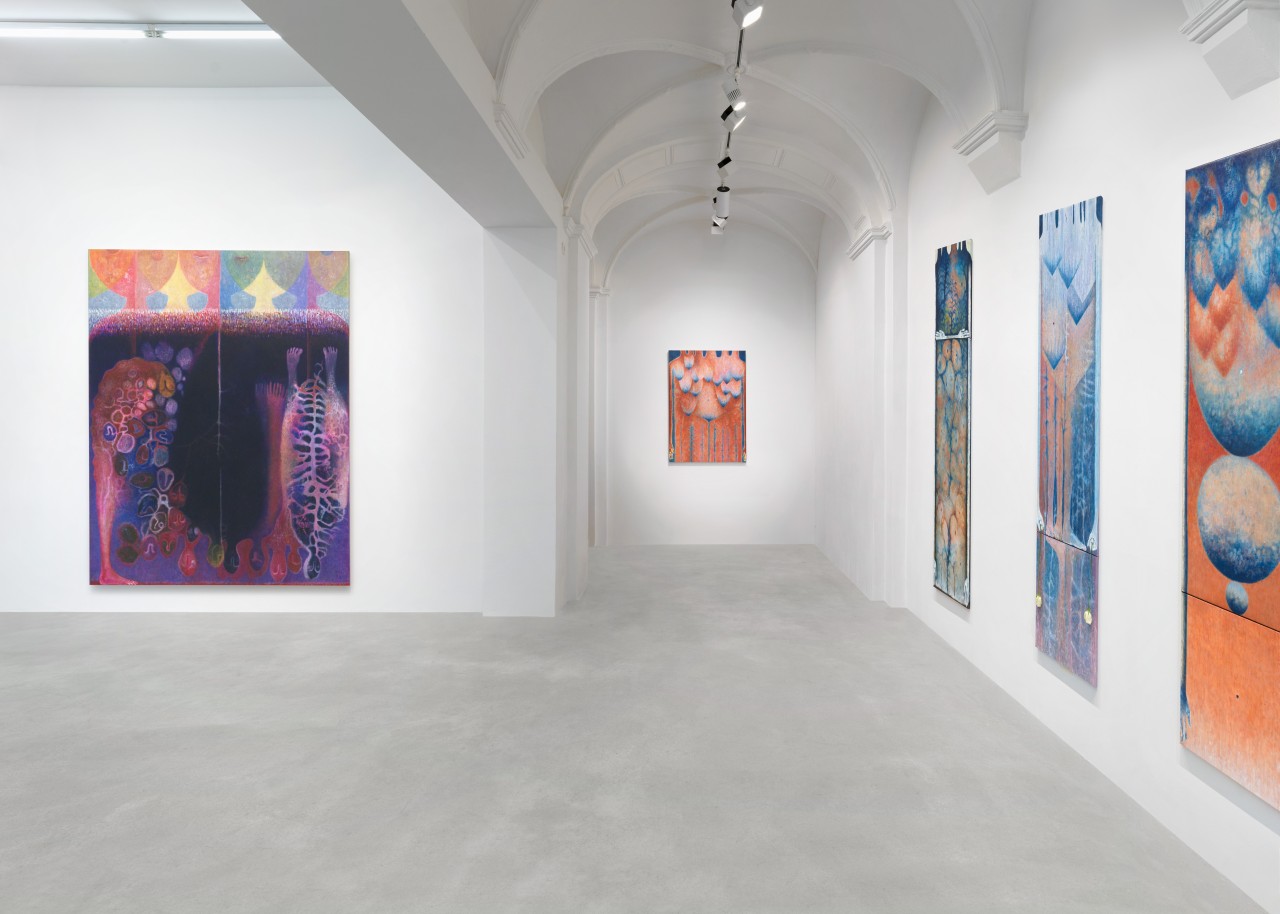
In Artemis, the centrepiece of the exhibition, Rabbia moves from the individual body toward the archetypal and the collective. Drawing on the iconography of the Ephesian goddess, whose torso was represented through extraordinary multiplicity, she dismantles ancient imagery and rebuilds it through her own visual language. Fertility, reproduction, solidarity and vulnerability are all present, but embedded within a larger meditation on generation and mortality, life proliferating around a central darkness it can never entirely overcome.
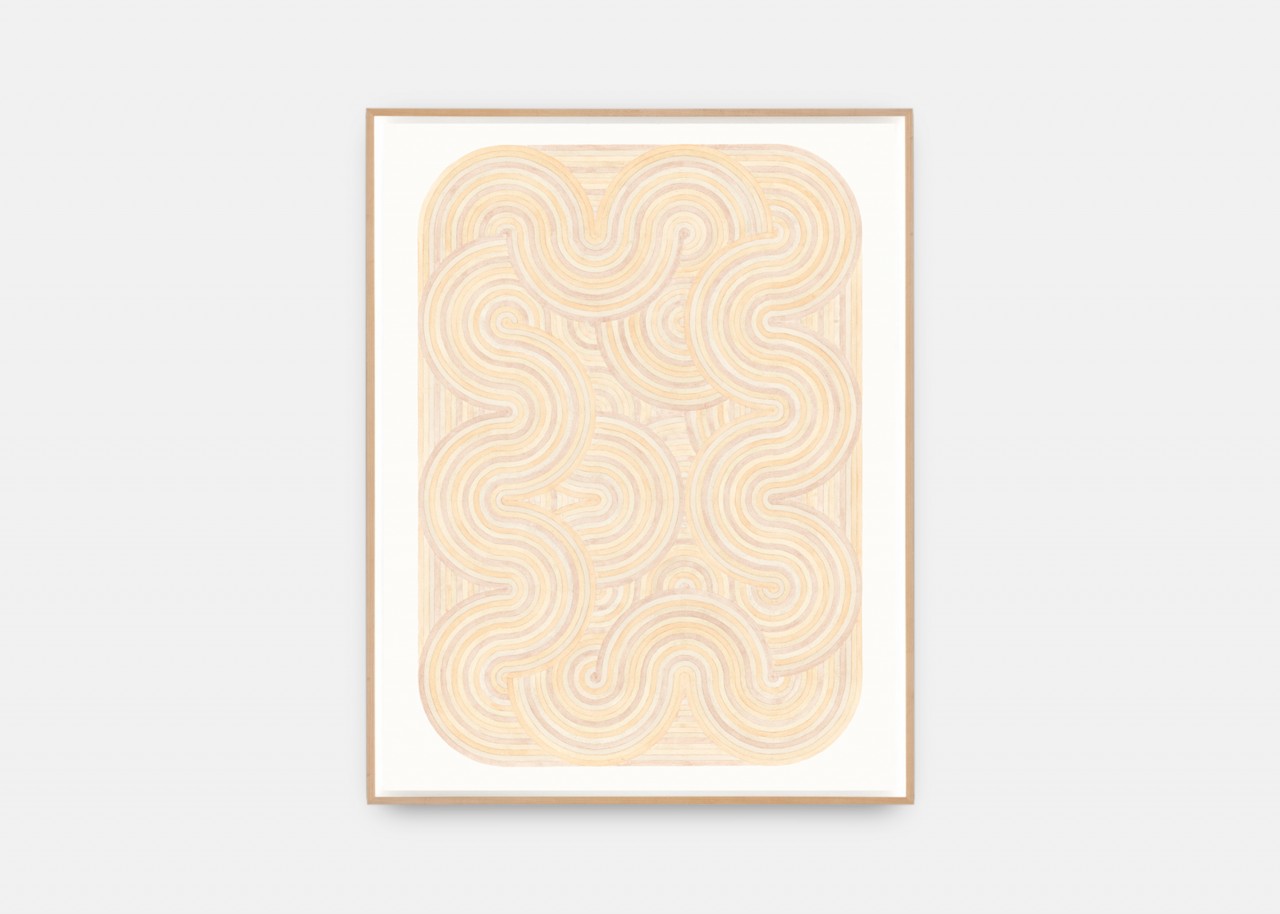
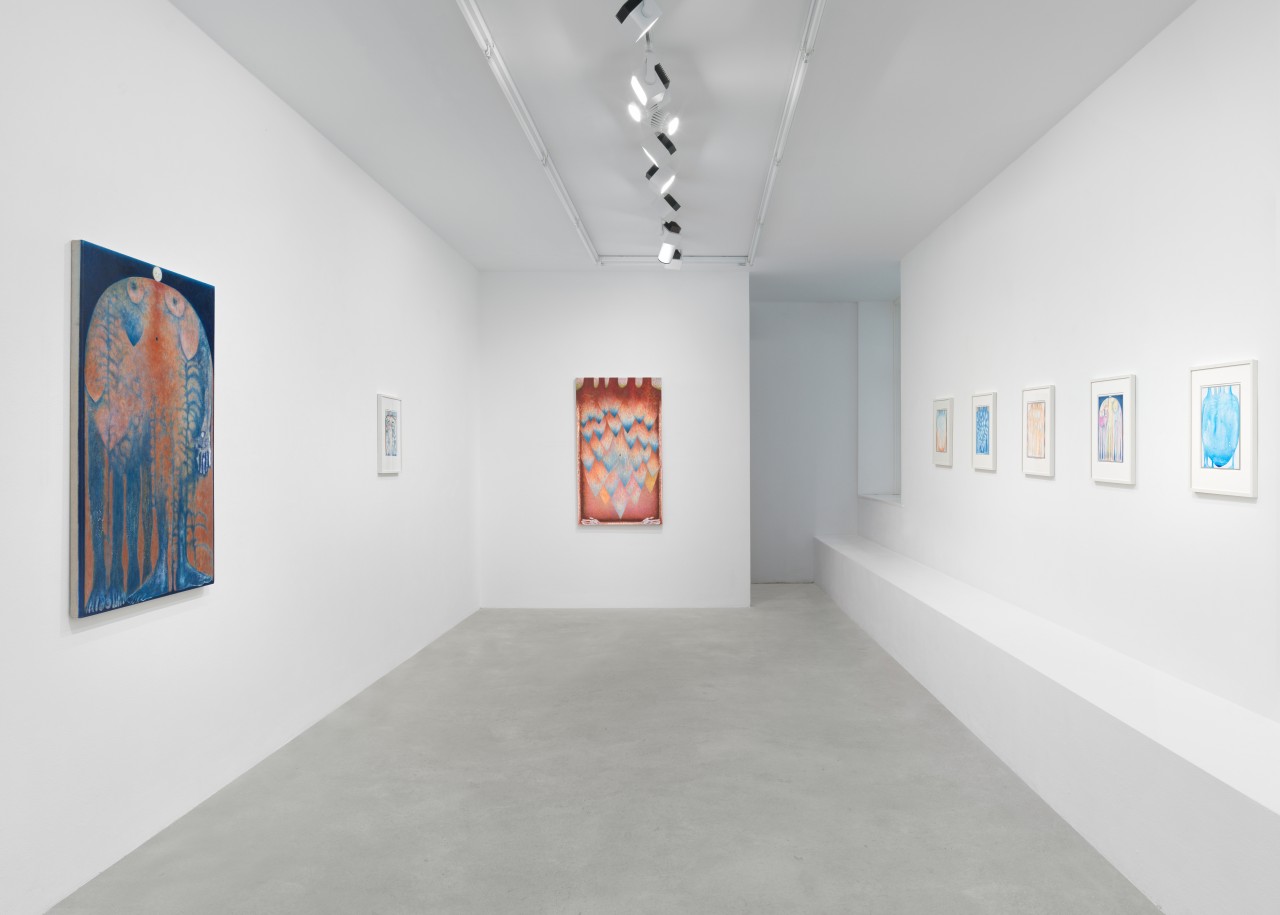
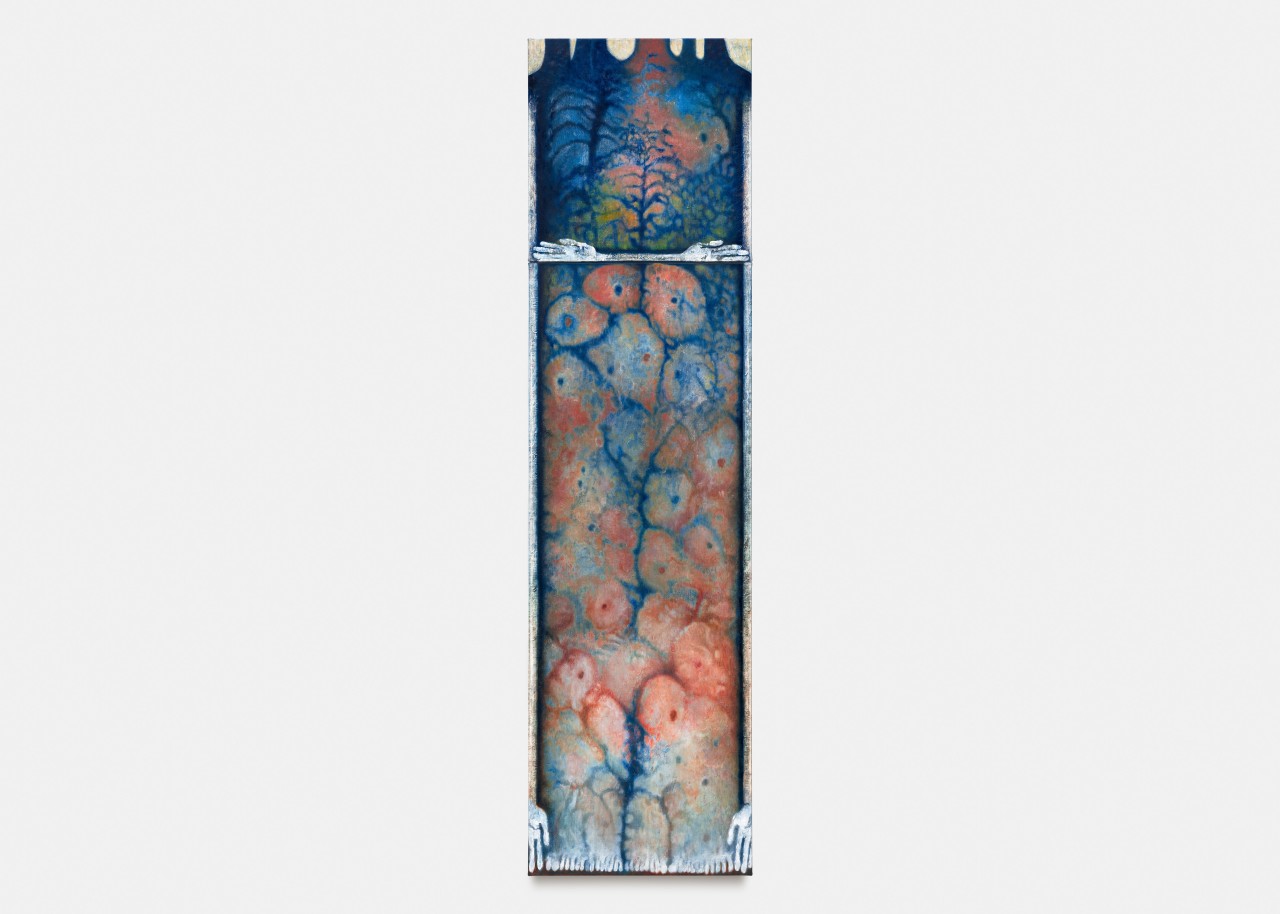
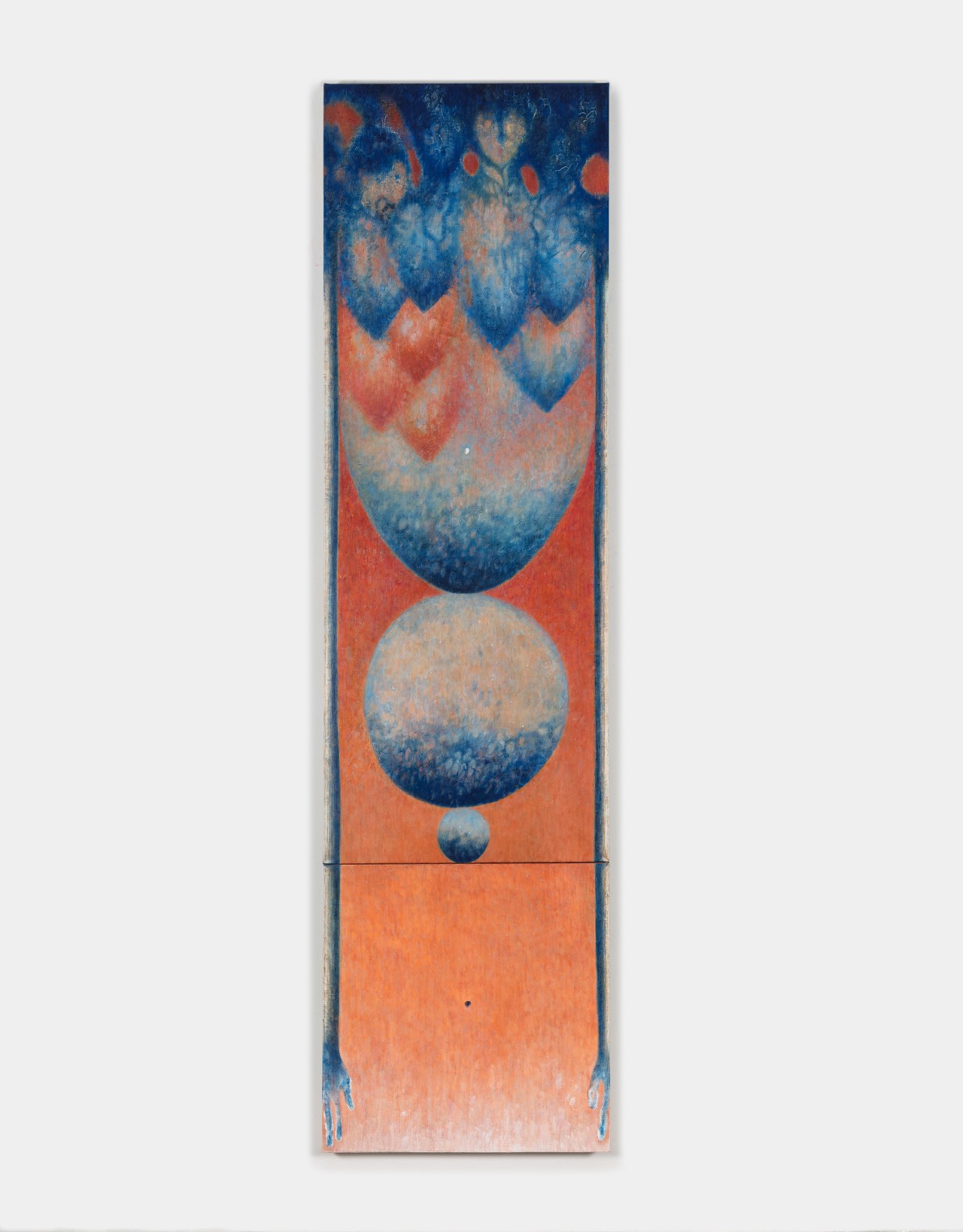
In the Transformers series, figures made up of many bodies show how a community can turn hardship into strength. The female bodies appear rooted in the canvas itself, generated by an interlacing of lines that recall veins, filaments and cellular systems, a support structure that women have quietly built over time, an interweaving that speaks of resilience but also of ancient knowledge.
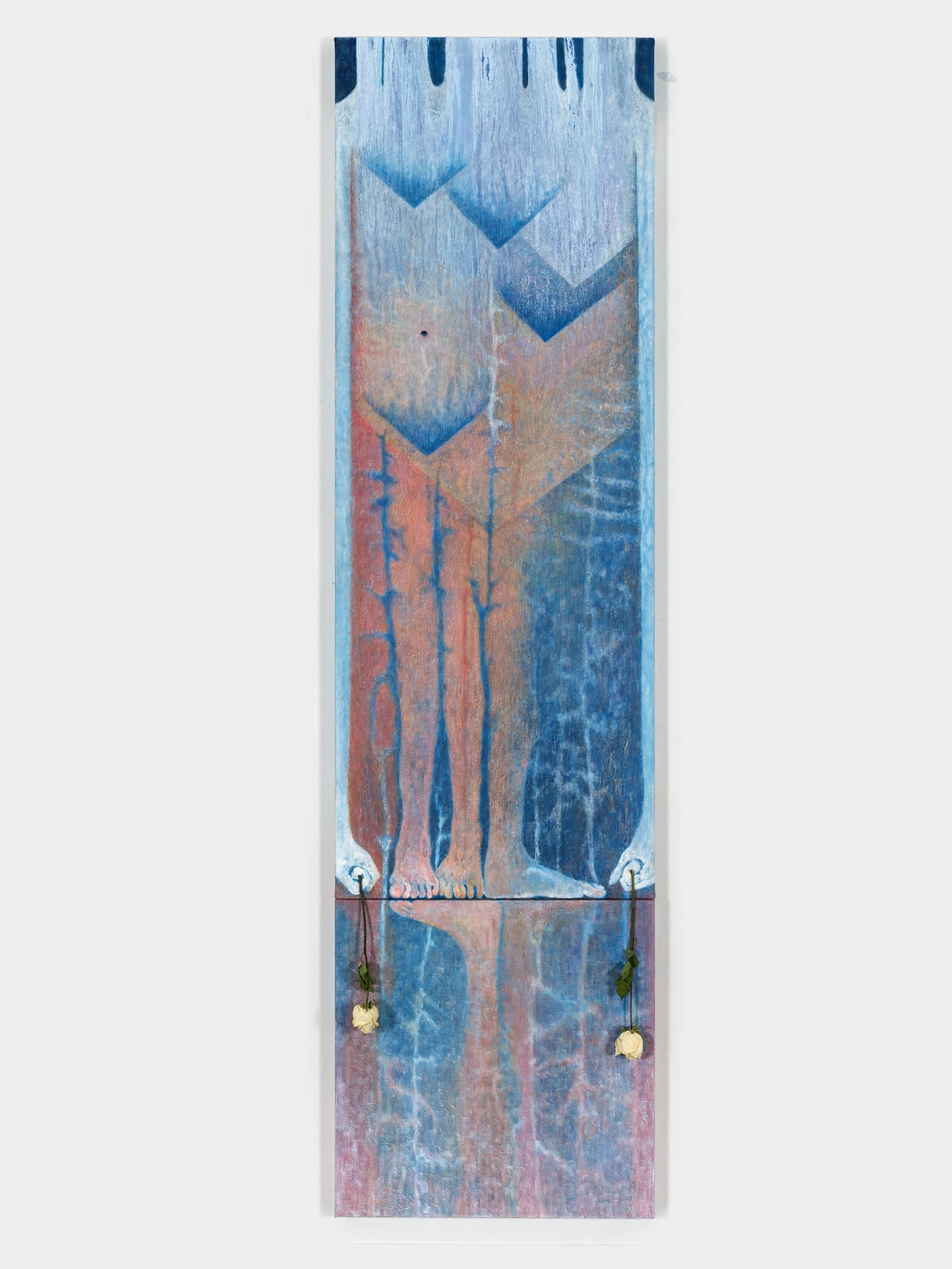
In Offering, a figure is reduced to its most elemental posture: bare legs and feet at a threshold that doubles as a mirror, while dried white roses, real and emphatically non-painterly, are inserted into the canvas below. Their presence resonates with Rabbia’s formation in Turin, in the wake of Arte Povera, where the introduction of humble materials into the space of art carried its own radical charge. Body, ritual and material converge as an offering: something given over, placed at the boundary between the painted and the actual, the corporeal and the transcendent.
Rabbia’s figures hold real emotional depth. They give form to resilience and renewal, experiences that are personal and shared at once. These are paintings that do not arrive with a declaration; they breathe in the space and wait for their viewer, cultivating what exists before and after the encounter.