Aleksandra Domanović
Canopy Collapse
9 October 2025 – 15 February 2026, Kunsthal Charlottenborg, Copenhagen
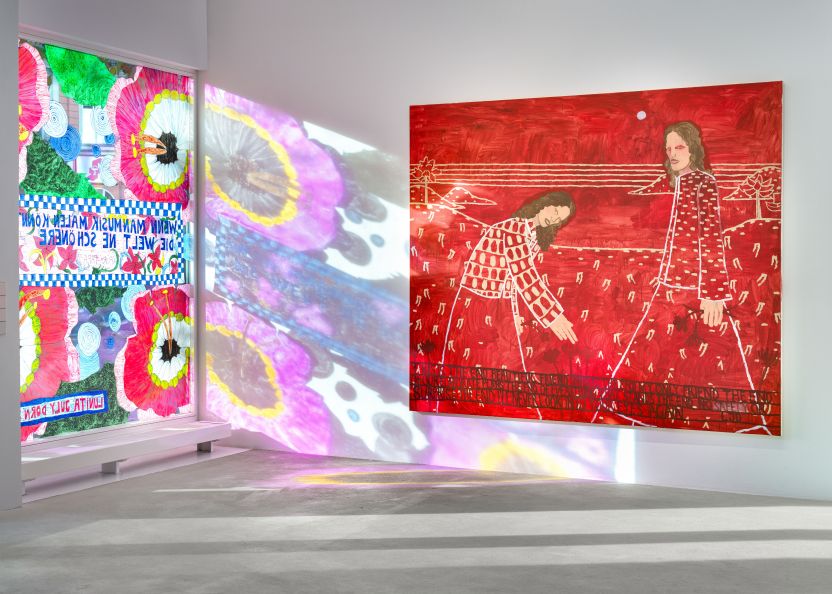
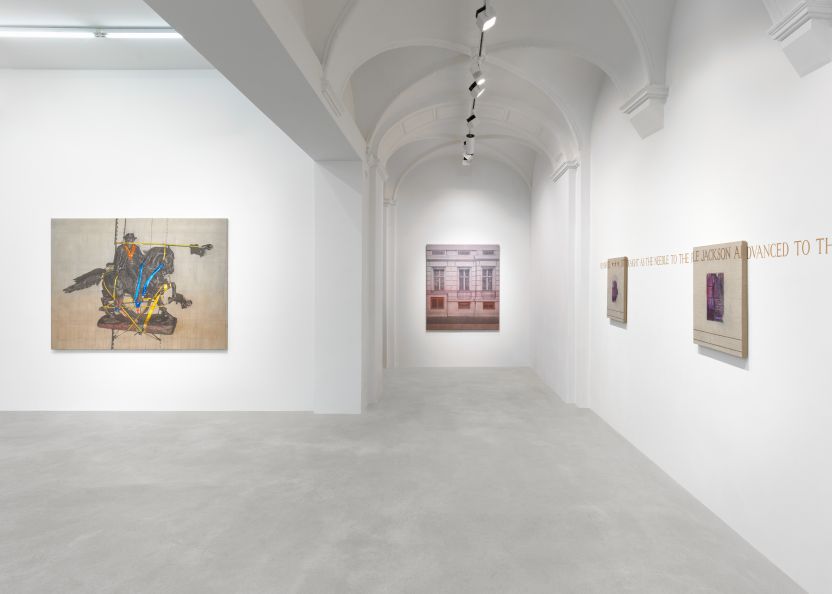
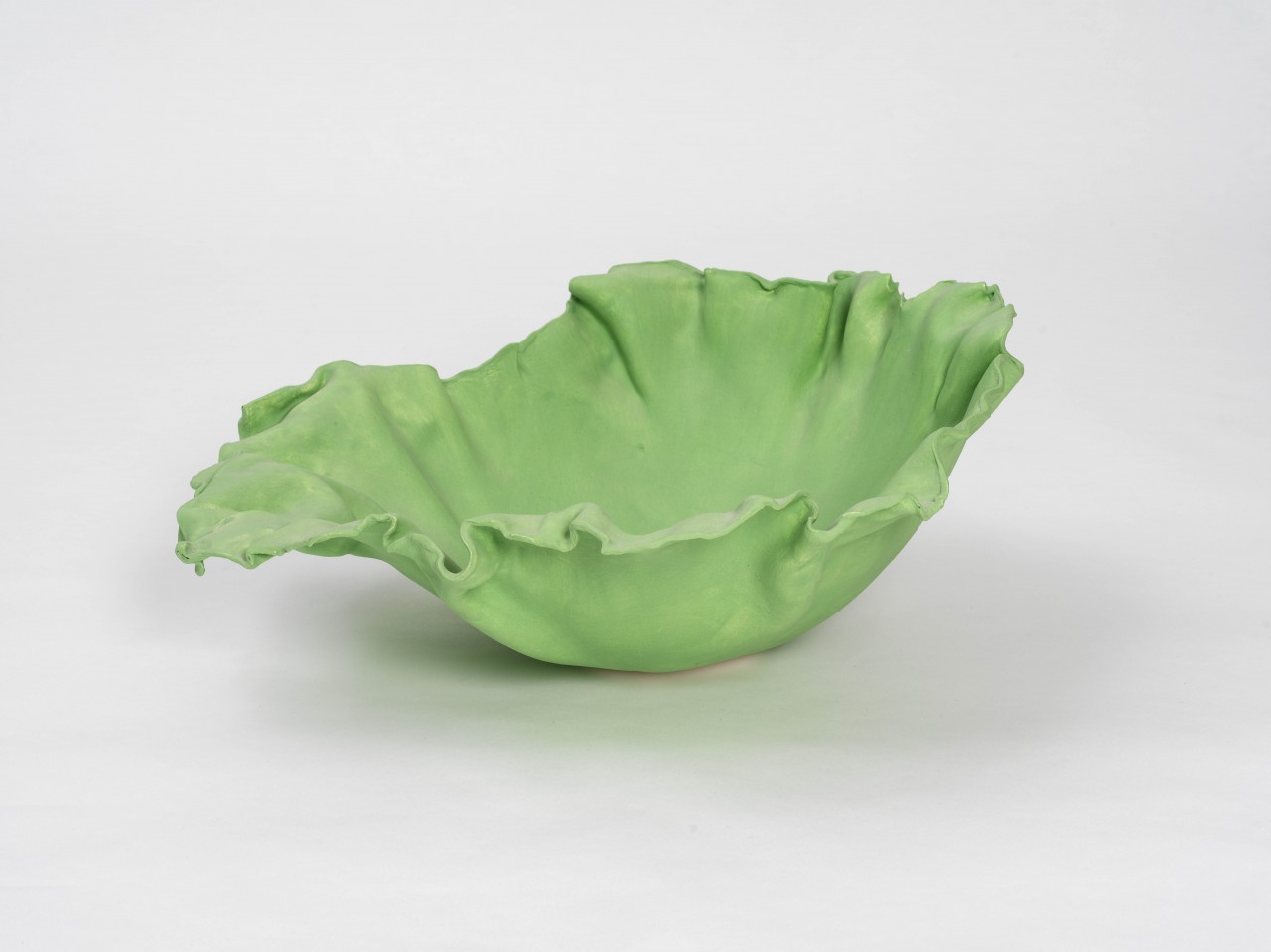
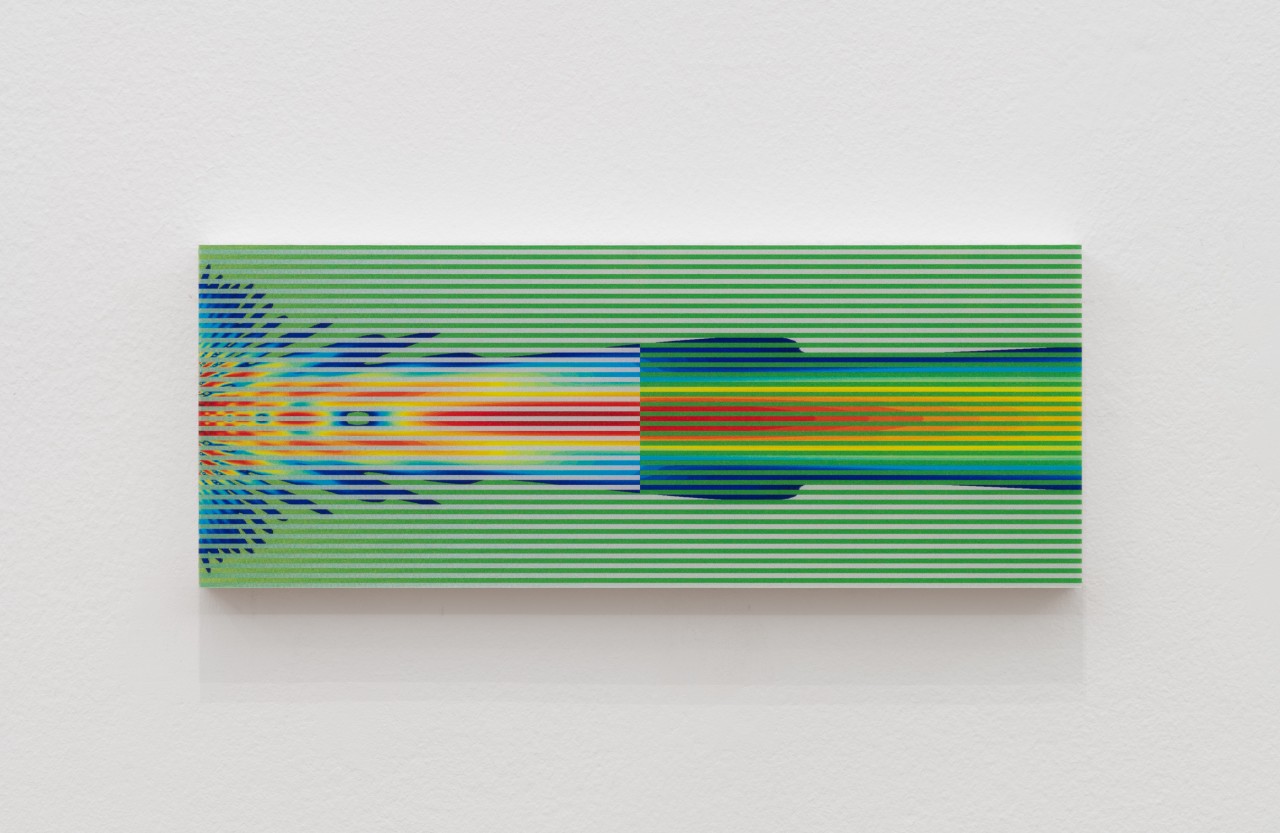
Spanning nearly 15 years of practice, the exhibition brings together works across sculpture, film, installation, and photography, mapping the intersections of technology, history, and culture.
Domanović belongs to a generation of artists shaped by the disintegration of Yugoslavia and the simultaneous rise of digital networks. Her works negotiate these two legacies by examining how narratives are constructed and destabilized across both physical and virtual landscapes. From internet domains and medical imaging to news broadcasts and timelines, she traces how digital technologies mediate the formation—and fracture—of collective memory.
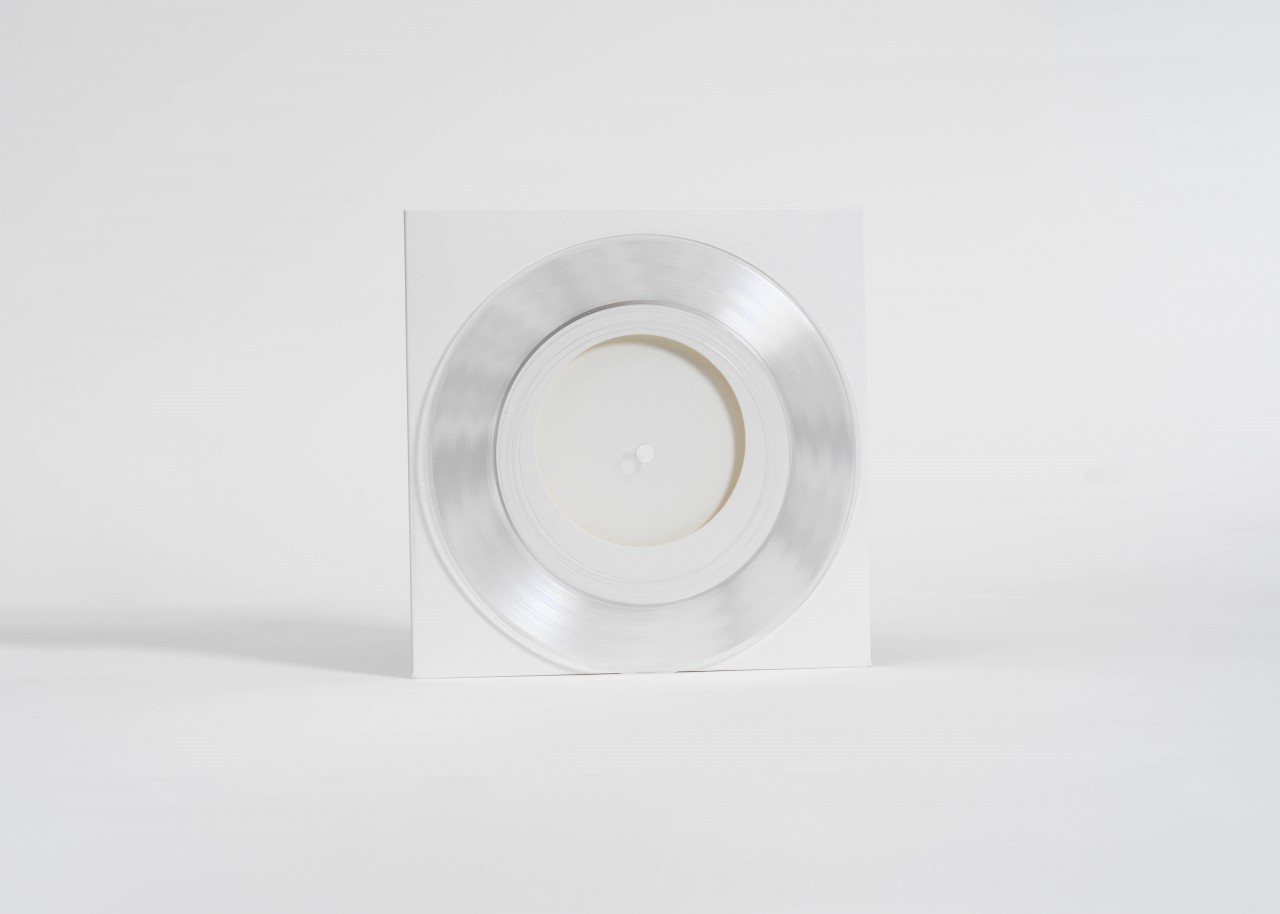
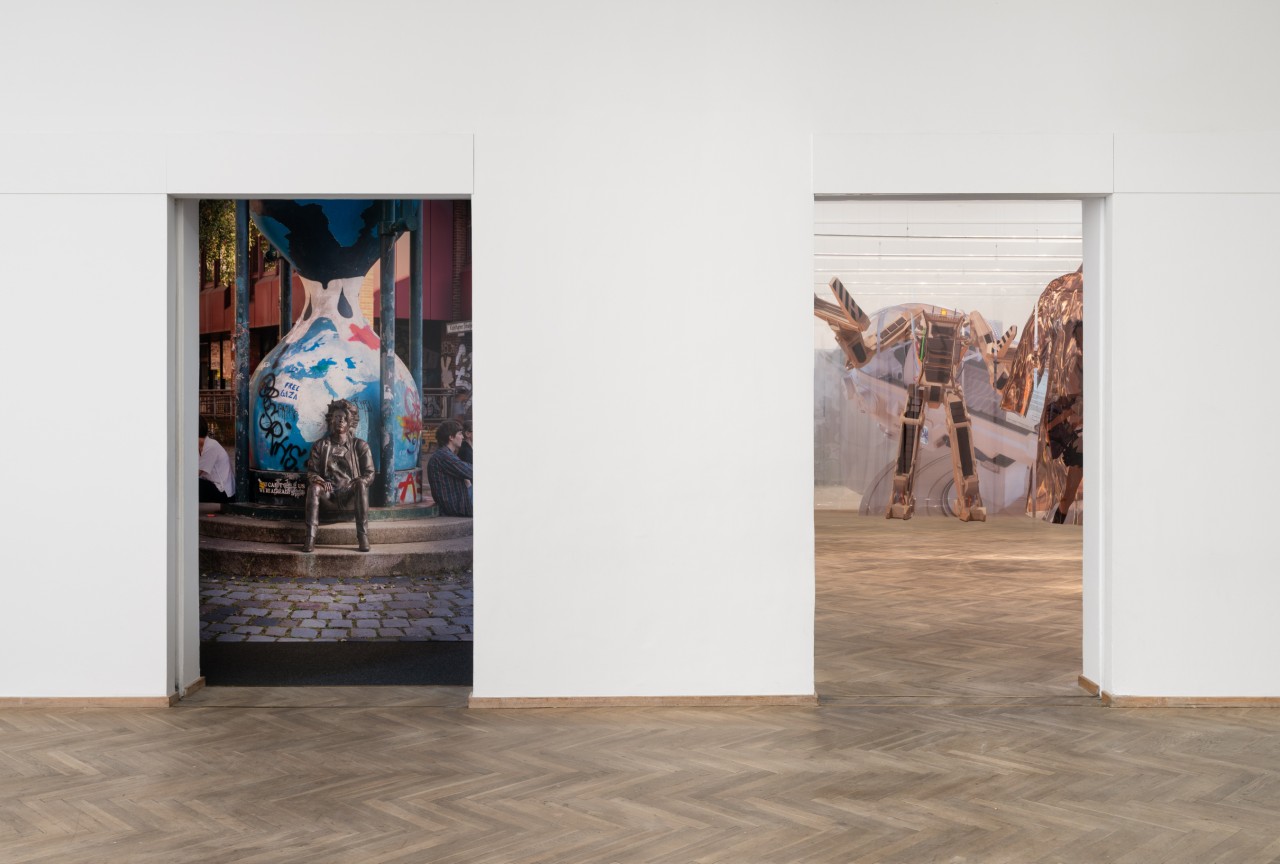
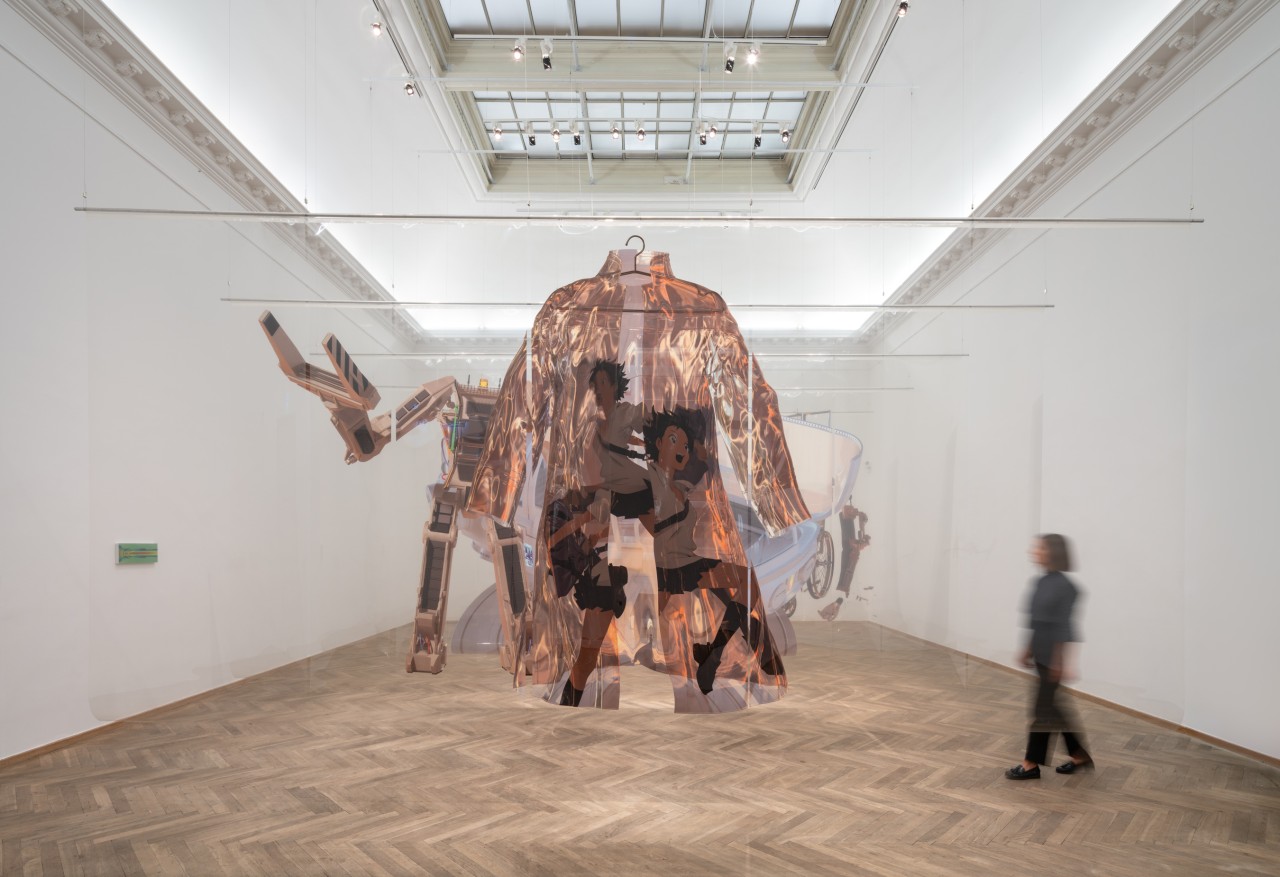
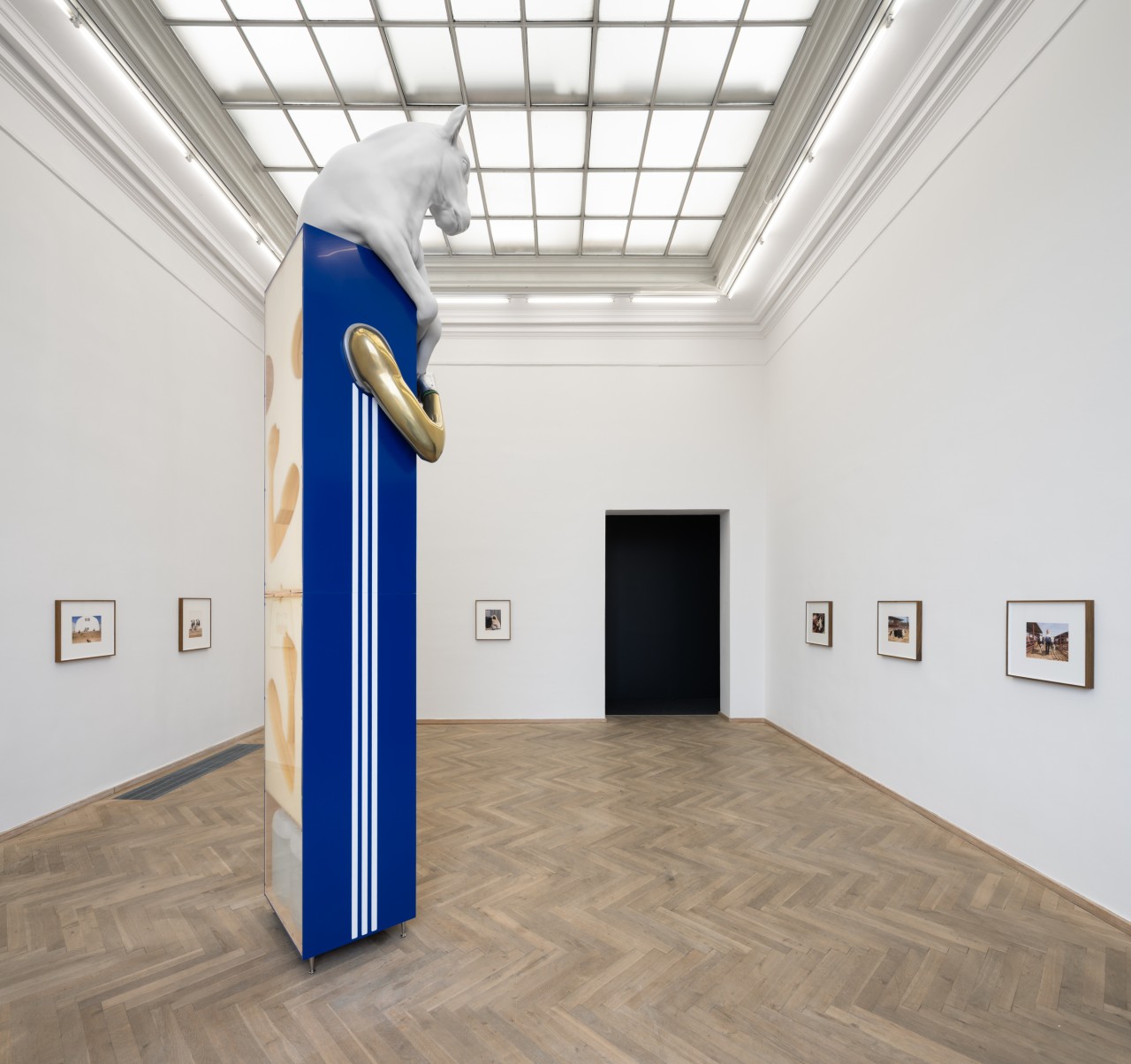
At the heart of the exhibition is Things to Come (2014–ongoing), a series of transparent foils that draws on science fiction’s ability to imagine alternative futures. Referencing sci-fi objects related to the female body—from the power loader in the film Aliens (1986) to the surgical pod in Prometheus (2012)—the work reflects on how the genre has long staged questions of gender and agency. Positioned within the broader survey, the work becomes a lens through which to view Domanović’s practice as a whole: an inquiry into how fictions of the future reconfigure the past and present.
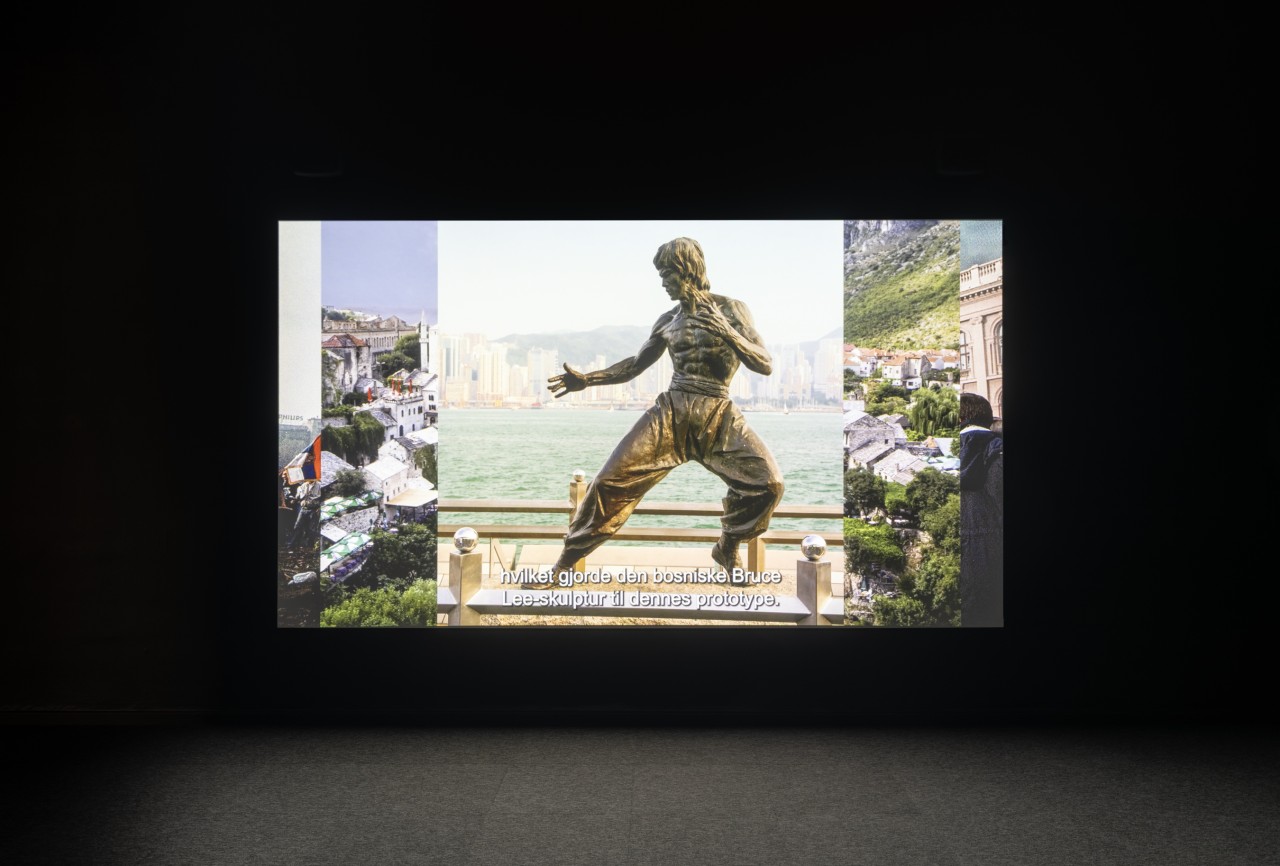
The exhibition also features Turbo Sculpture (2009/2024), a video that addresses the phenomenon of celebrity monuments that emerged across the Western Balkans in the early 21st century. Beginning with the public sculpture of Bruce Lee erected in Mostar in 2005, Domanović collages texts and images from online news sources, tracing how pop culture icons were cast as unlikely vehicles of post-war identity.
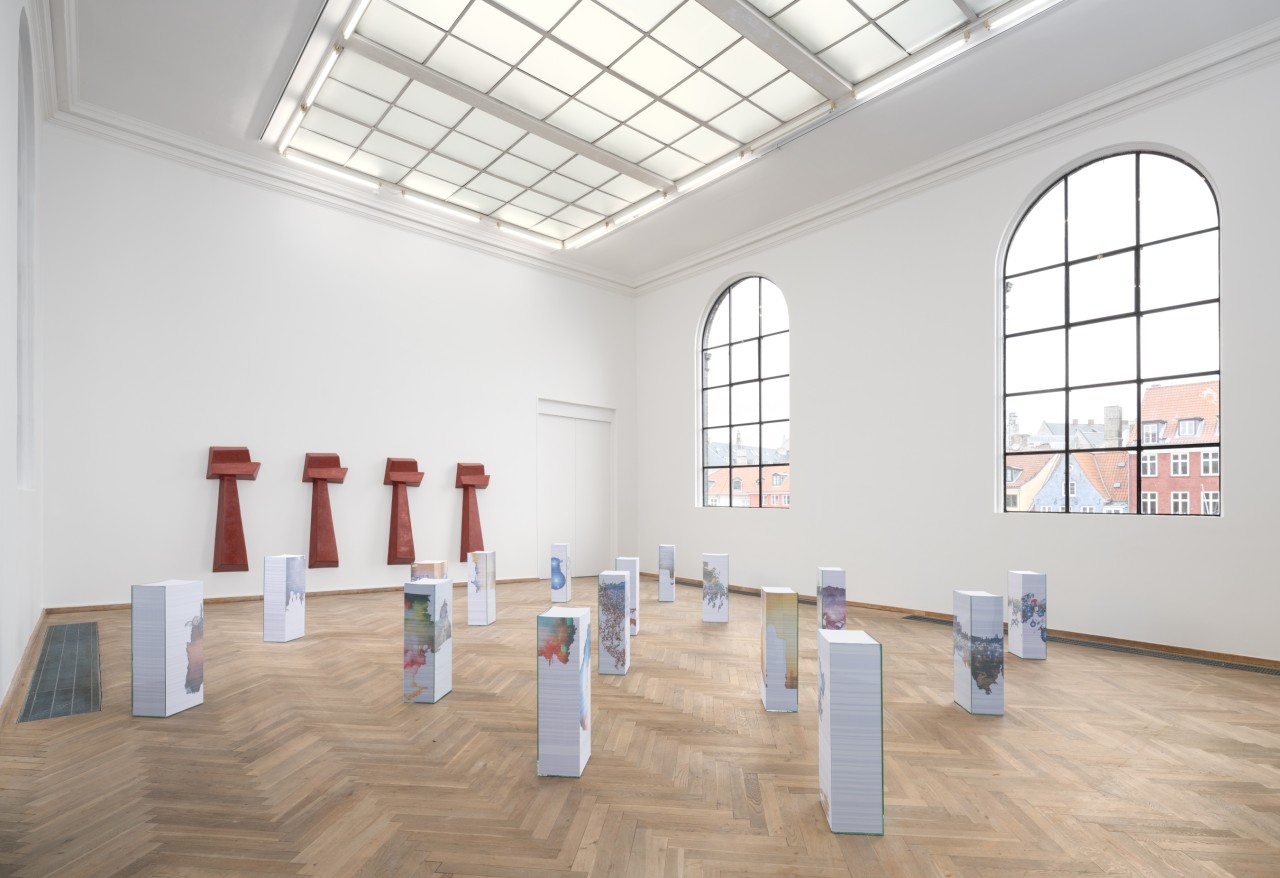
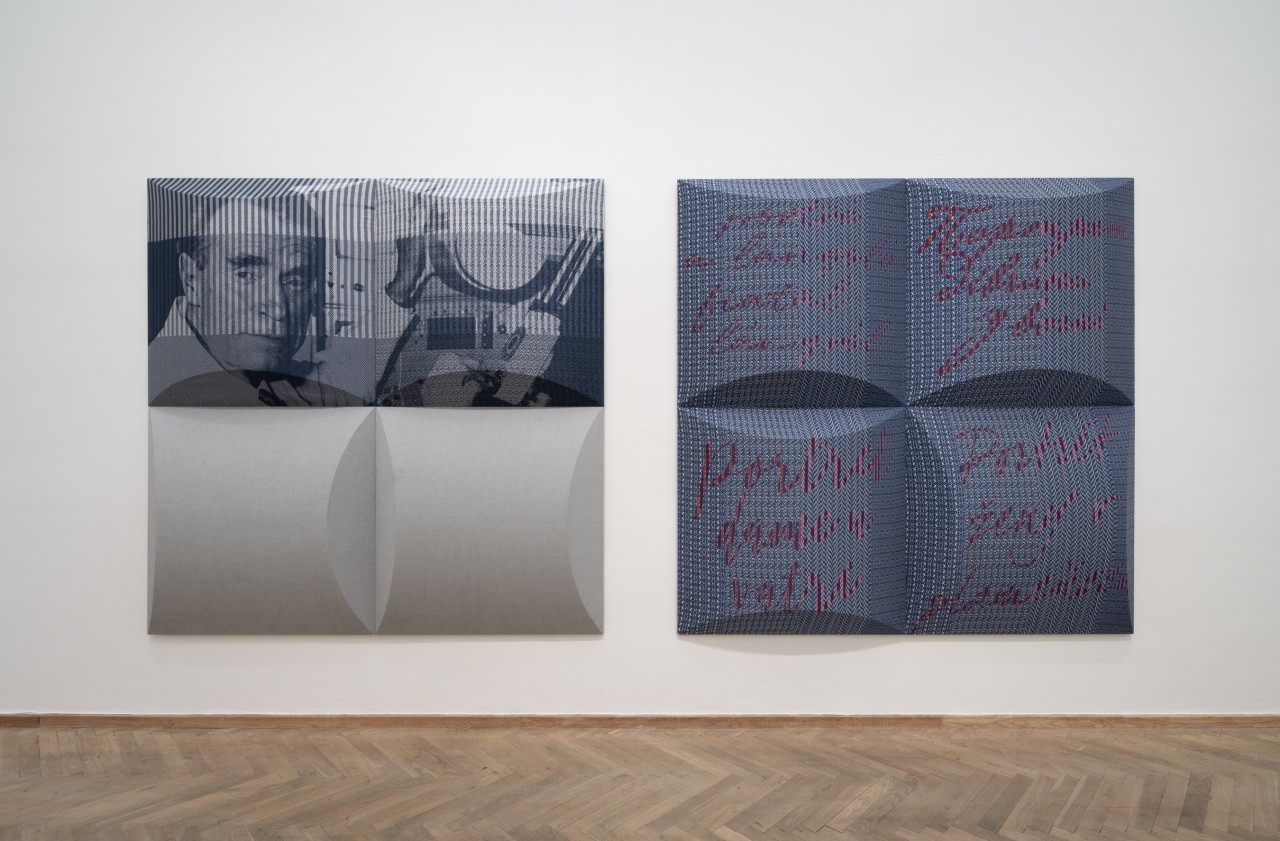
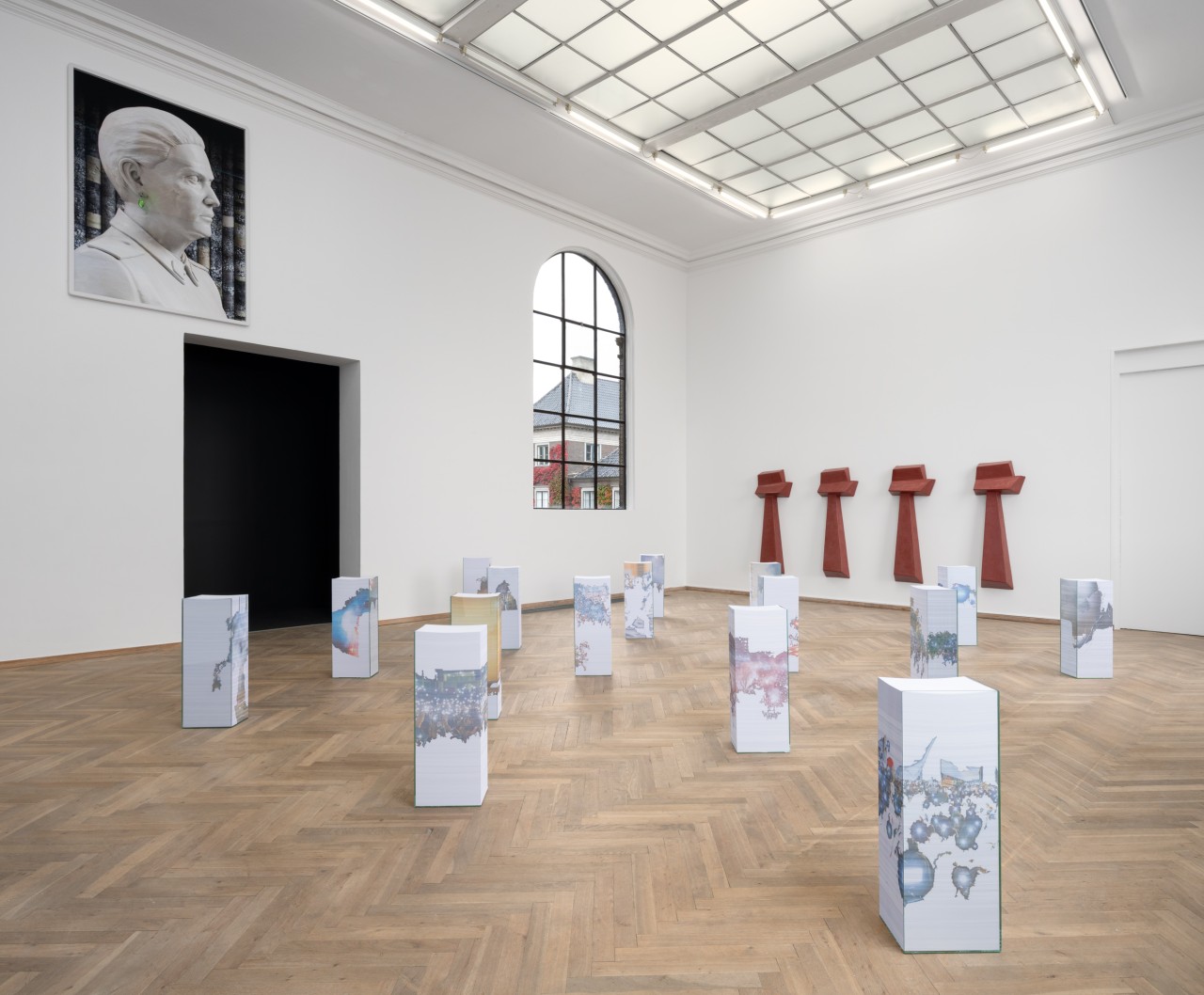
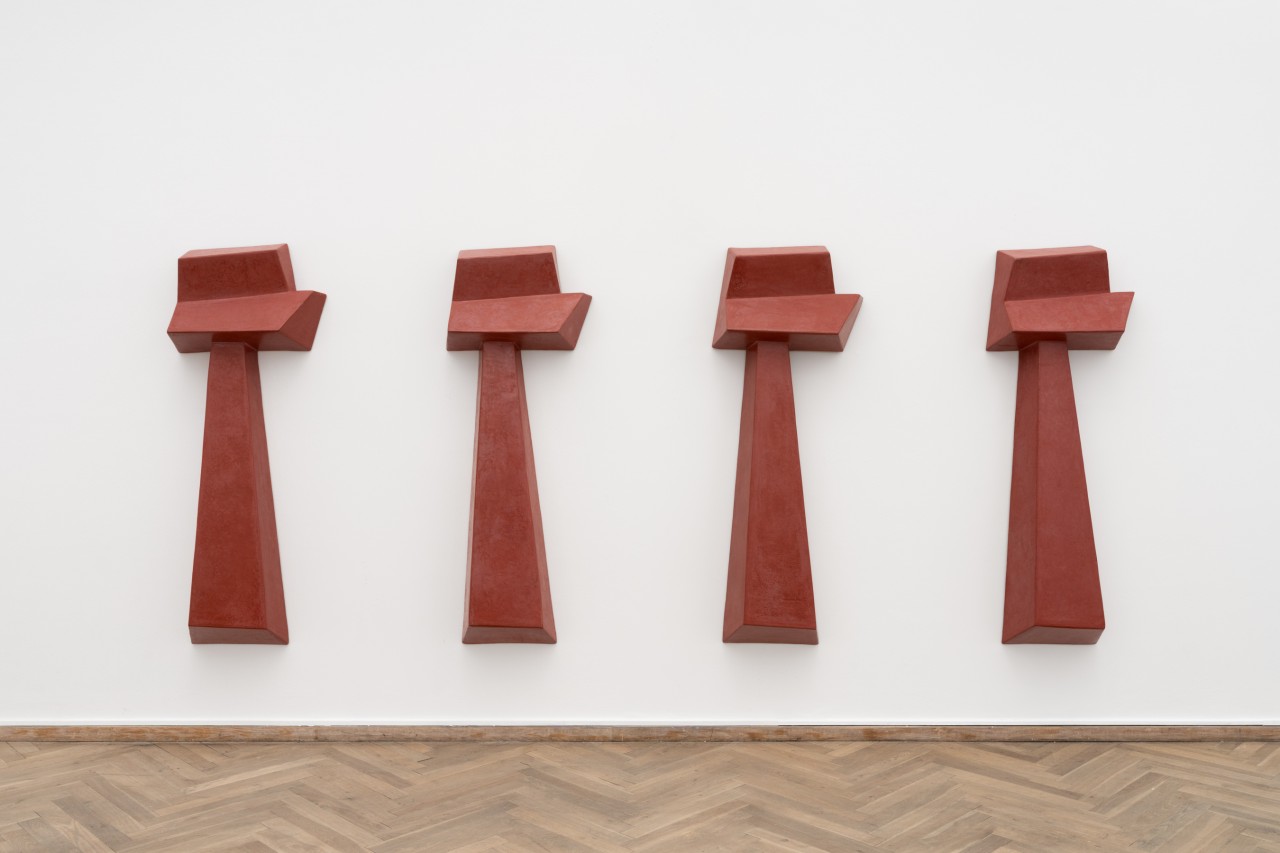
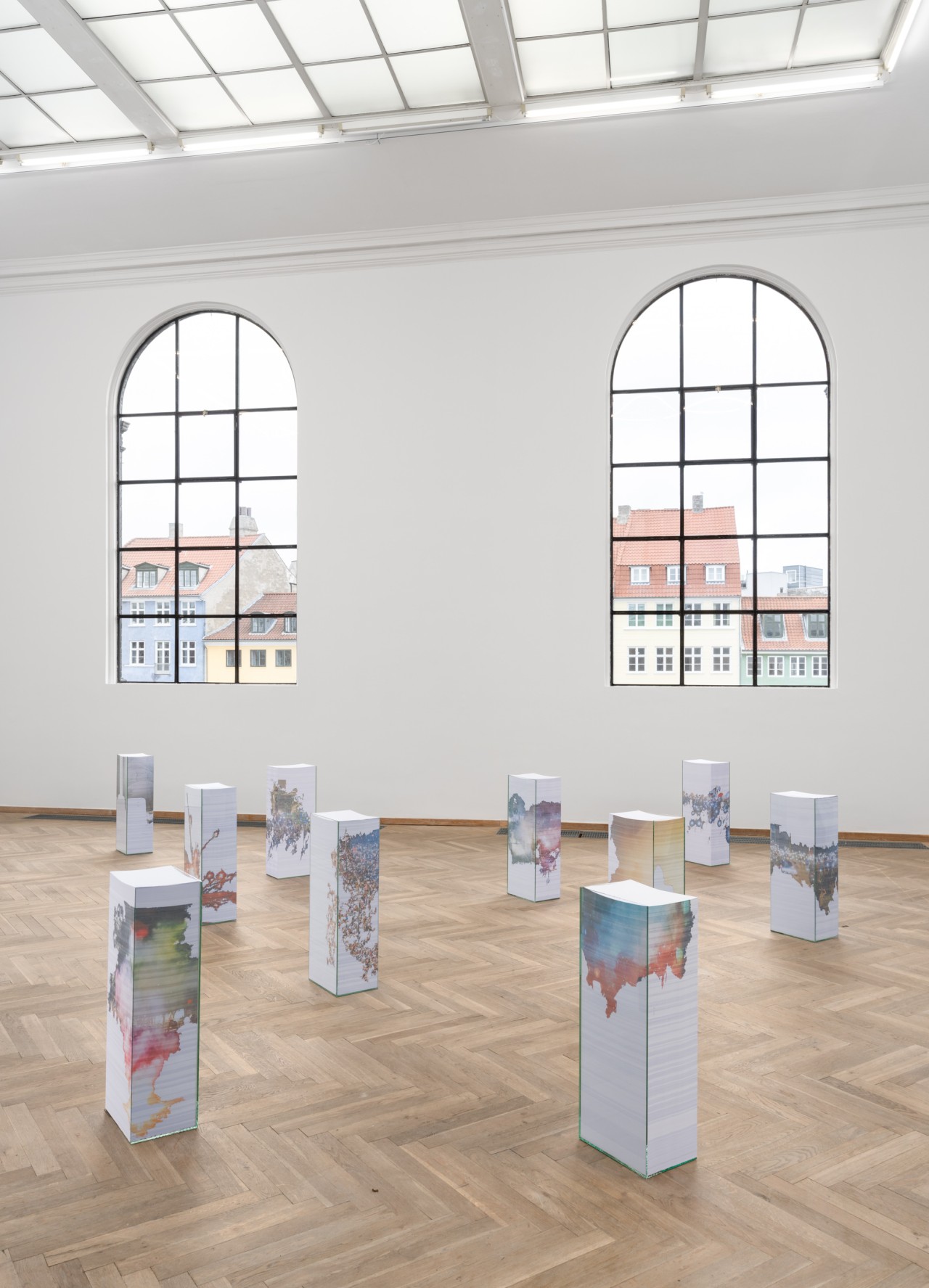
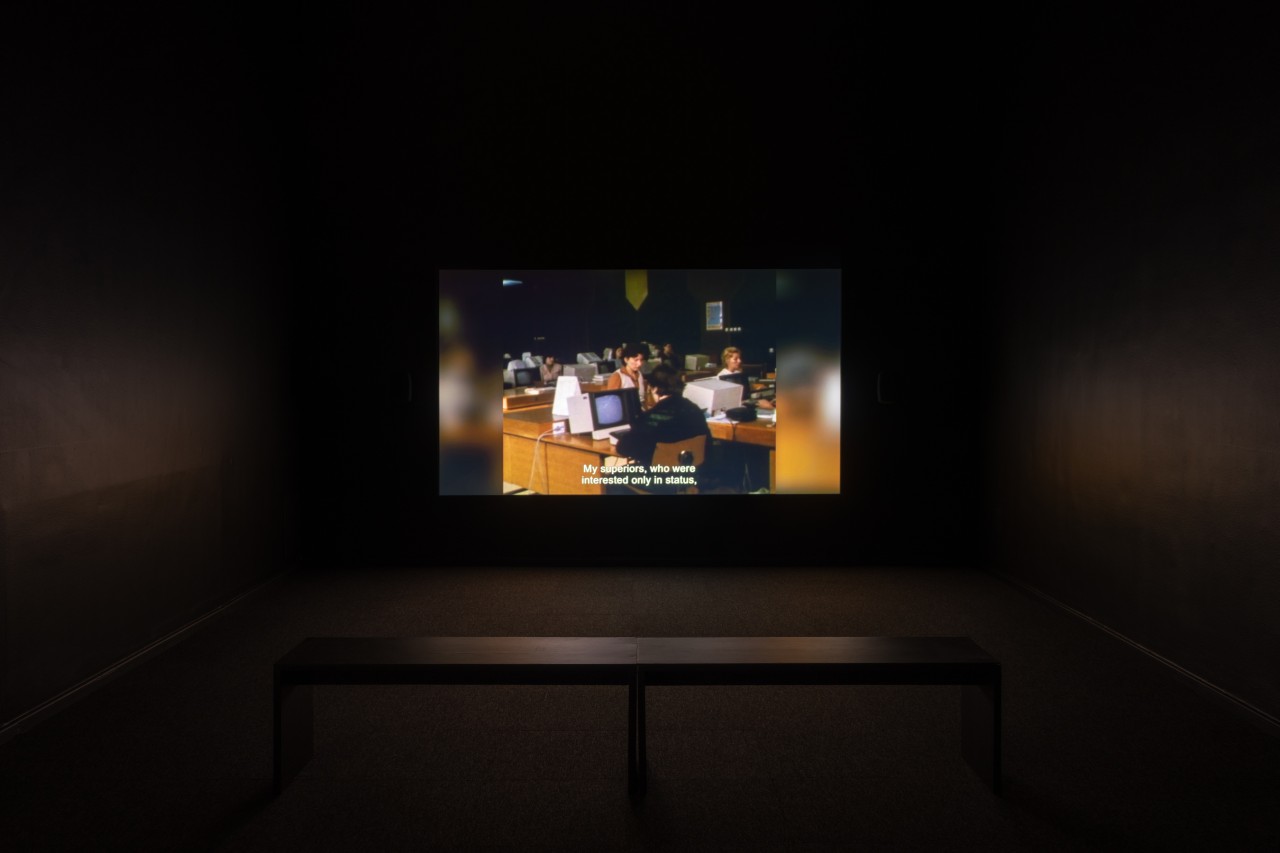
Other works expand on this theme of fractured narratives: From Yu to Me (2013) revisits the female pioneers of Yugoslavia’s early computer networks, while 19:30 (2020/11) sets opening tunes from news broadcast against the collective rhythms of 1990s techno culture. Among the exhibition’s two newly commissioned works, a series of paper stacks brings these questions into the present, forming side-view images of the mass protests that have swept Serbia since late 2024—sparked by the collapse of Novi Sad’s train station roof, to which the exhibition’s title refers. Drawn from news media, the stacks reveal crowds, banners, and tear gas, functioning as a fragile, provisional monument to civic resistance. Works such as Calf Bearer, Bulls Without Horns, and Untitled (1.XI.2024) reimagine both ancient and digital relics as monuments for a fragmented present.
By weaving together fragments of political history, feminist science, science fiction, and popular culture, Domanović creates a body of work that is at once deeply rooted in post-Yugoslav experience and resonant with global concerns. ‘Canopy Collapse’ presents not only a survey of her practice but also a meditation on how we might navigate the unstable terrains of memory in an age defined by rupture and transition.